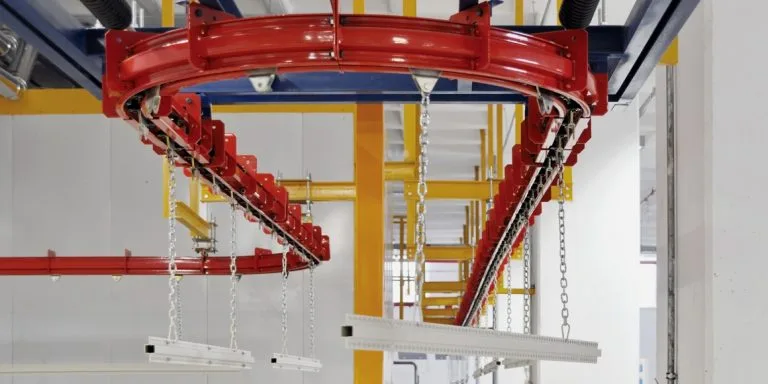
Paint Conveyor System: Streamlining Production Lines
Introduction
In today’s competitive manufacturing landscape, efficiency and productivity are paramount. Paint conveyor systems play a crucial role in streamlining production lines, enabling manufacturers to achieve optimal throughput and reduce operating costs. This article delves into the intricacies of paint conveyor systems, highlighting their benefits, applications, and essential components.
Benefits of Paint Conveyor Systems
- Increased Productivity: Automated conveyor systems eliminate manual handling, reducing labor costs and increasing production speed.
- Improved Quality: Consistent and controlled paint application ensures uniform coverage and reduces defects.
- Reduced Labor Costs: Automated systems minimize the need for manual labor, freeing up workers for more value-added tasks.
- Enhanced Safety: Conveyor systems eliminate the need for workers to handle heavy or hazardous materials, reducing the risk of accidents.
- Space Optimization: Overhead conveyors maximize floor space utilization, allowing for efficient layout and workflow.
Applications of Paint Conveyor Systems
Paint conveyor systems find application in a wide range of industries, including:
- Automotive
- Aerospace
- Furniture
- Electronics
- Appliances
- Metalworking
Essential Components of Paint Conveyor Systems
- Conveyor: The backbone of the system, transporting parts through the painting process.
- Paint Booth: Enclosed area where paint is applied, ensuring controlled conditions and minimizing overspray.
- Paint Applicators: Automated spray guns or robotic arms that apply paint to the parts.
- Curing Oven: Chamber where painted parts are dried and cured, ensuring durability and adhesion.
- Control System: Centralized hub that monitors and controls the entire system, ensuring optimal performance.
Types of Paint Conveyor Systems
- Overhead Conveyor Systems: Suspended from the ceiling, maximizing floor space utilization.
- Floor-Mounted Conveyor Systems: Installed on the ground, suitable for heavy-duty applications.
- Vertical Conveyor Systems: Transport parts vertically, ideal for multi-level facilities.
- Custom Conveyor Systems: Designed to meet specific requirements, accommodating unique part shapes and production processes.
Factors to Consider When Selecting a Paint Conveyor System
- Part Size and Shape: Determine the conveyor type and capacity required.
- Production Volume: Estimate the throughput required to meet demand.
- Paint Type: Consider the viscosity, drying time, and curing requirements of the paint.
- Facility Layout: Optimize the system’s integration into the existing production line.
- Budget: Establish a realistic budget for the system and its ongoing maintenance.
Conclusion
Paint conveyor systems are indispensable tools for manufacturers seeking to streamline their production lines and enhance efficiency. By automating the painting process, reducing labor costs, and improving quality, these systems empower manufacturers to stay competitive and meet the demands of modern manufacturing. Careful consideration of the factors discussed in this article will ensure the selection of an optimal paint conveyor system that meets specific production requirements and delivers exceptional results.
Post a Comment for "Paint Conveyor System: Streamlining Production Lines"