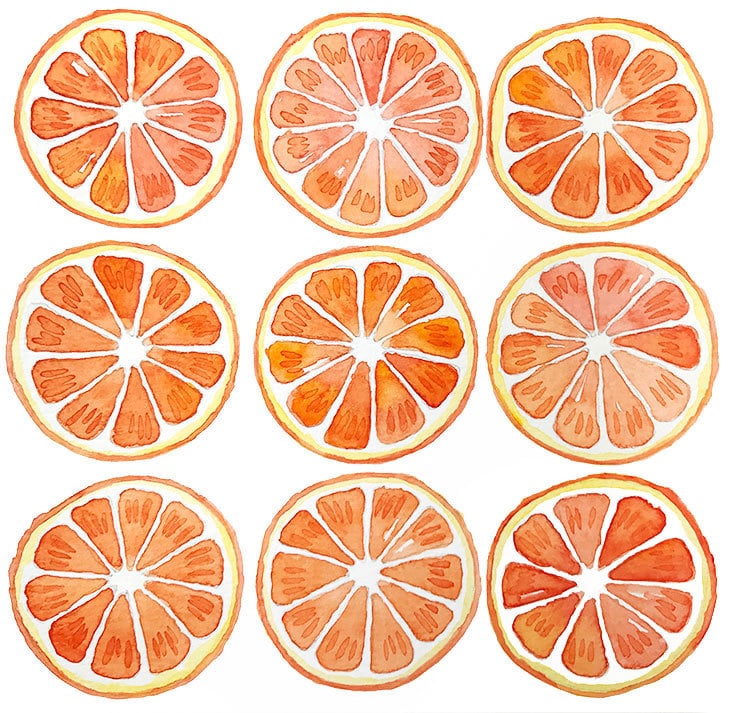
Orange Watercolor Painting: Techniques for Vivid Art
Introduction
Watercolor painting is a versatile and expressive medium that allows artists to create stunning works of art. Orange, a vibrant and energetic color, is a popular choice for watercolorists due to its ability to evoke emotions and create a sense of warmth and joy. Mastering the techniques of orange watercolor painting is essential for artists who wish to capture the full potential of this vibrant hue.
Color Theory and Orange
Understanding color theory is crucial for effectively using orange in watercolor paintings. Orange is a secondary color created by mixing red and yellow. It is a warm color that sits between the warm red and the cool yellow on the color wheel. Orange has a high chroma, meaning it is a highly saturated color that can be easily distinguished from other colors.
Materials for Orange Watercolor Painting
To create vibrant orange watercolor paintings, artists require high-quality materials. The following materials are essential:
- Watercolor paints: Choose high-quality watercolor paints with a good selection of orange shades.
- Watercolor paper: Use watercolor paper that is specifically designed for watercolor painting.
- Brushes: Use a variety of watercolor brushes, including round, flat, and filbert brushes.
- Palette: A palette is used to mix and hold watercolor paints.
- Water: Clean water is essential for watercolor painting.
Techniques for Vivid Orange Watercolor Painting
1. Wet-on-Wet Technique:
The wet-on-wet technique involves applying watercolor paint to wet paper. This creates soft, flowing edges and allows colors to blend seamlessly. To achieve this technique, wet the paper with clean water and apply orange watercolor paint while the paper is still damp.
2. Wet-on-Dry Technique:
The wet-on-dry technique involves applying watercolor paint to dry paper. This creates more defined edges and allows for greater control over the placement of color. To achieve this technique, allow the paper to dry completely before applying orange watercolor paint.
3. Glazing Technique:
The glazing technique involves applying multiple layers of thin, transparent watercolor washes. This creates depth and richness of color. To achieve this technique, apply a thin layer of orange watercolor paint to the paper and allow it to dry completely. Repeat this process multiple times, gradually building up the intensity of the orange color.
4. Dry Brush Technique:
The dry brush technique involves using a dry brush to apply watercolor paint to the paper. This creates a textured, stippled effect. To achieve this technique, dip a dry brush into orange watercolor paint and lightly brush it over the paper.
5. Masking Fluid Technique:
Masking fluid is a liquid latex that can be applied to the paper to protect certain areas from watercolor paint. This allows artists to create sharp edges and precise details. To achieve this technique, apply masking fluid to the areas you wish to protect and allow it to dry completely. Paint over the exposed areas with orange watercolor paint and remove the masking fluid once the paint has dried.
Tips for Vibrant Orange Watercolor Painting
- Use a variety of orange shades to create depth and interest.
- Experiment with different techniques to achieve different effects.
- Allow the watercolor paint to dry completely between layers to prevent muddiness.
- Use a white or light-colored background to make the orange colors stand out.
- Add other colors to complement the orange, such as yellow, red, or blue.
Conclusion
Mastering the techniques of orange watercolor painting empowers artists to create vibrant and expressive works of art. By understanding color theory, using high-quality materials, and employing effective techniques, artists can harness the full potential of this captivating color. Orange watercolor paintings can evoke emotions, create a sense of warmth and joy, and add a touch of vibrancy to any space.
Post a Comment for "Orange Watercolor Painting: Techniques For Vivid Art"