Face Painting Practice Boards: Perfect Your Skills with Ease

Table of Content
- 1 Face Painting Practice Boards: Perfect Your Skills with Ease
- 1.1 The Advantages of Face Painting Practice Boards
- 1.2 Types of Face Painting Practice Boards
- 1.3 Choosing the Right Practice Board for You
- 1.4 Materials and Tools for Face Painting Practice
- 1.5 Effective Face Painting Practice Techniques
- 1.6 Tips for Maximizing Your Practice Sessions
- 1.7 Conclusion
Face painting is a vibrant and engaging art form that brings joy to children and adults alike. Whether you’re a seasoned professional or a budding artist, mastering the techniques of face painting requires dedication and practice. Face painting practice boards offer a convenient and cost-effective solution for honing your skills and experimenting with new designs.
This comprehensive guide will delve into the world of face painting practice boards, exploring their benefits, types, materials, and how to effectively utilize them. We will also provide insightful tips and tricks to elevate your face painting game and transform your practice sessions into masterpieces.
The Advantages of Face Painting Practice Boards
Face painting practice boards offer a multitude of benefits for aspiring and experienced artists alike:
- Cost-Effective Practice: Unlike practicing on live subjects, practice boards eliminate the cost of materials and the potential for mistakes on real skin. You can experiment freely with different paints, techniques, and designs without any financial repercussions.
- Convenience and Accessibility: Practice boards are readily available, portable, and can be used anytime, anywhere. You can practice at your leisure, even during short breaks or commutes, without requiring any special setup or equipment.
- Safe and Hygienic: Practice boards provide a clean and hygienic surface for practicing your designs. You can avoid the risk of transferring germs or allergens to your clients by using a designated practice surface.
- Improved Technique and Precision: Repeated practice on boards allows you to refine your hand-eye coordination, brush control, and overall technique. You can develop a consistent stroke, learn to create smooth transitions between colors, and master intricate designs.
- Experimentation and Exploration: Practice boards offer a safe space to experiment with new paints, techniques, and designs. You can try out different stencils, brushes, and color combinations without any fear of failure.
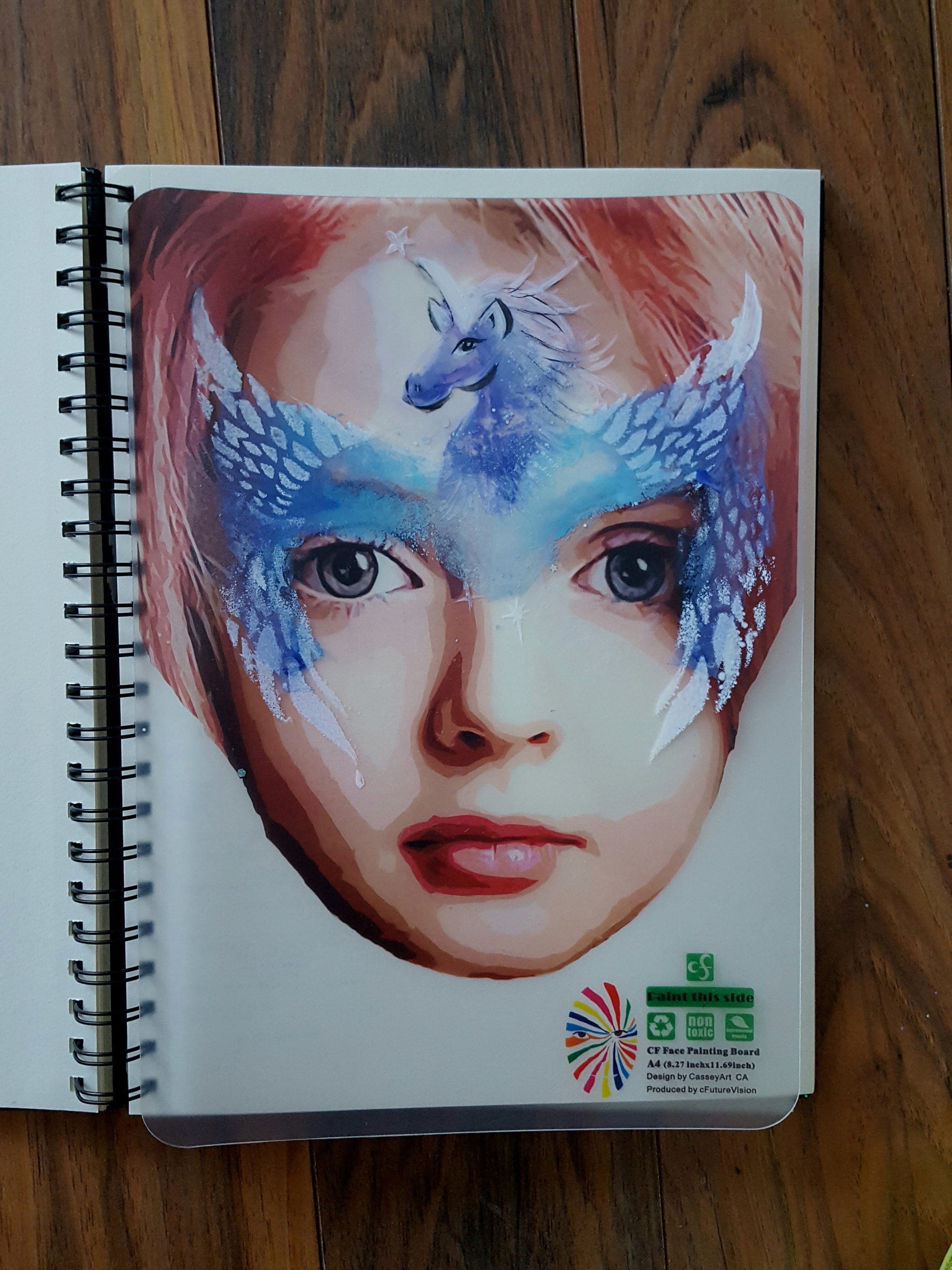
Types of Face Painting Practice Boards
Face painting practice boards come in various forms, each catering to specific needs and preferences:
1. Canvas Boards:
- Description: These are traditional practice boards made from stretched canvas, similar to those used for oil painting.
- Pros: Canvas boards provide a durable and textured surface for practicing, allowing you to experiment with different brushstrokes and paint applications.
- Cons: Canvas boards can be relatively expensive and may require priming before use.
2. Foam Boards:

- Description: Foam boards are lightweight, inexpensive, and readily available. They are made from a rigid foam core covered with a smooth paper surface.
- Pros: Foam boards are easy to cut and shape, making them ideal for practicing specific designs or creating custom templates.
- Cons: Foam boards are not as durable as canvas boards and may tear or warp with excessive use.
3. Plastic Boards:
- Description: Plastic boards are a durable and waterproof option, making them ideal for practicing with water-based paints.
- Pros: Plastic boards are easy to clean and can be reused multiple times. They are also resistant to water damage and stains.
- Cons: Plastic boards can be slippery, making it difficult to control brushstrokes. They may also be more expensive than other options.
4. Silicone Mats:
- Description: Silicone mats are flexible and reusable, offering a smooth and non-porous surface for practicing.
- Pros: Silicone mats are easy to clean and roll up for storage. They are also heat-resistant and can be used with various types of paints.
- Cons: Silicone mats can be more expensive than other options and may not provide the same level of texture as canvas boards.
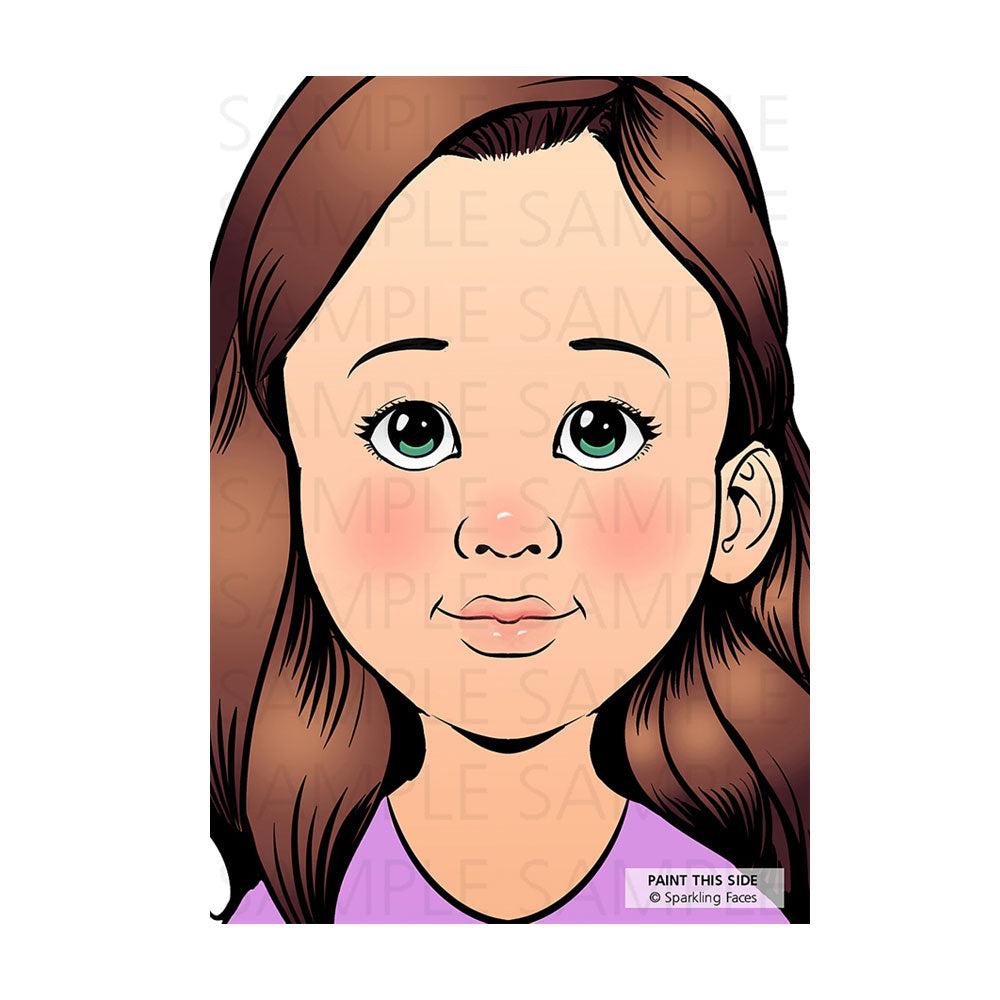
5. Printable Templates:
- Description: Printable templates offer a convenient and affordable way to practice specific designs. You can find countless free or paid templates online.
- Pros: Printable templates provide a clear guide for practicing complex designs. They can be printed on various surfaces, including paper, cardstock, or even foam boards.
- Cons: Printable templates may not offer the same level of flexibility as traditional practice boards. They can also be difficult to reuse.
Choosing the Right Practice Board for You
The ideal practice board for you will depend on your budget, desired level of detail, and preferred practice style. Consider the following factors when making your decision:
- Budget: Foam boards and printable templates offer the most budget-friendly options, while canvas boards and silicone mats tend to be more expensive.
- Durability: Canvas boards and plastic boards provide the most durability, while foam boards and printable templates are more susceptible to wear and tear.
- Texture: Canvas boards offer a textured surface that mimics real skin, while foam boards and silicone mats provide a smooth surface.
- Portability: Foam boards and silicone mats are lightweight and easy to transport, while canvas boards are bulkier.
Materials and Tools for Face Painting Practice
Beyond the practice board itself, you’ll need a few essential materials and tools to get started:
- Face Paints: Choose high-quality, water-based face paints that are safe for use on skin. Opt for brands that are hypoallergenic and non-toxic.
- Brushes: Invest in a variety of brushes with different sizes and shapes to create various lines, details, and textures.
- Water: Water is essential for diluting paints and cleaning brushes.
- Sponges: Sponges can be used for blending colors and applying large areas of paint.
- Stencils: Stencils can help you create precise and intricate designs.
- Palette: A palette is a convenient surface for mixing colors and holding your brushes.
- Paper Towels: Paper towels are essential for wiping away excess paint and cleaning up spills.
Effective Face Painting Practice Techniques
Now that you have your practice board and materials, it’s time to put them to use. Here are some effective practice techniques to help you hone your skills:
- Start with the Basics: Begin by practicing basic brushstrokes, such as lines, curves, and dots. Master these fundamental techniques before moving on to more complex designs.
- Practice Color Blending: Experiment with blending different colors to create smooth transitions and gradients. Use sponges or brushes to achieve desired effects.
- Focus on Detail: Practice creating intricate details, such as eyes, noses, and mouths. Use fine-tipped brushes or stencils to achieve precise results.
- Use Reference Images: Use reference images of real faces or existing face paint designs to guide your practice.
- Break Down Complex Designs: Break down complex designs into smaller, manageable sections. Practice each section individually before combining them.
- Experiment with Stencils: Explore different stencils to create unique and intricate designs. Practice using stencils with various paints and brushstrokes.
- Time Yourself: Set a timer and practice completing designs within a specific timeframe. This will help you develop speed and efficiency.
- Critique Your Work: Take the time to critically analyze your practice sessions. Identify areas for improvement and focus on developing those skills.
Tips for Maximizing Your Practice Sessions
- Set Aside Dedicated Time: Schedule regular practice sessions to maintain consistency and progress.
- Create a Focused Environment: Find a quiet and well-lit space where you can focus on your practice.
- Practice Regularly: Consistency is key to improving your skills. Aim to practice for at least 30 minutes each day.
- Be Patient and Persistent: Mastering face painting takes time and effort. Don’t get discouraged if you don’t see results immediately.
- Seek Feedback: Ask friends, family, or fellow face painters for feedback on your work.
- Record Your Progress: Take photos or videos of your practice sessions to track your progress and identify areas for improvement.
- Have Fun! Face painting should be an enjoyable experience. Don’t be afraid to experiment and explore your creativity.
Conclusion
Face painting practice boards are invaluable tools for aspiring and experienced artists alike. By dedicating time to practice, you can refine your techniques, experiment with new designs, and elevate your face painting skills to new heights. Remember, consistency, patience, and a passion for the art form are key to achieving mastery. So grab your practice board, gather your materials, and embark on a journey of artistic discovery.
Face Painting Practice Boards: Perfect Your Skills with Ease
Post a Comment for "Face Painting Practice Boards: Perfect Your Skills With Ease"