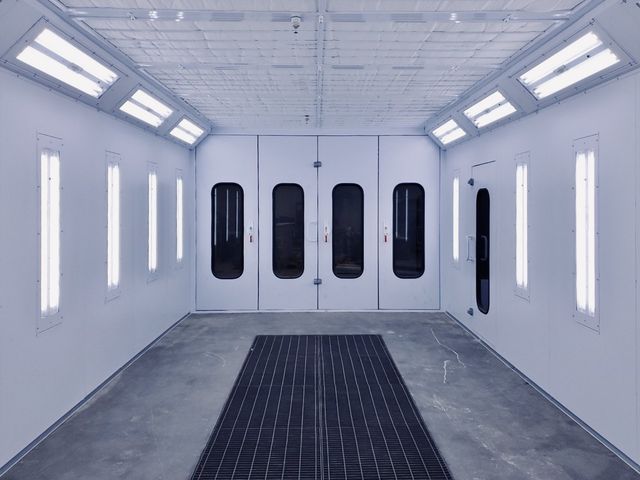
Entering the Booth: Exploring Paint Booth Doors
Introduction
Paint booth doors are an essential component of any automotive refinishing facility. They provide a controlled environment for painting, protecting the vehicle and the painter from overspray and fumes. Choosing the right paint booth door can significantly impact the efficiency, safety, and overall performance of your paint booth. This article will delve into the various types of paint booth doors available, their features, benefits, and considerations for selecting the optimal door for your specific needs.
Types of Paint Booth Doors
There are several types of paint booth doors to choose from, each with its own advantages and disadvantages. The most common types include:
- Sectional Doors: These doors are made up of multiple panels that slide horizontally along tracks. They are typically used for larger openings and provide good insulation.
- Roll-Up Doors: As the name suggests, these doors roll up vertically into a compact bundle above the opening. They are suitable for smaller openings and offer a cost-effective option.
- Bifold Doors: These doors consist of two or more panels that fold open like a book. They are often used for larger openings and provide a wide opening for easy access.
- Swing Doors: Swing doors are hinged on one side and open outward or inward. They are commonly used for smaller openings and provide a simple and inexpensive option.
- Rapid Roll Doors: These doors are designed for high-speed operation, opening and closing quickly to minimize heat loss and maintain a controlled environment.
Features and Benefits
The choice of paint booth door depends on several factors, including the size of the opening, frequency of use, and desired level of insulation. Here are some key features and benefits to consider:
- Size and Configuration: Paint booth doors are available in a wide range of sizes to accommodate different opening dimensions. The configuration of the door, such as the number of panels or the way it opens, can also be customized to suit specific requirements.
- Insulation: Insulated doors help maintain a consistent temperature within the paint booth, reducing heat loss and energy consumption. This is particularly important in areas with extreme temperatures.
- Airtightness: Airtight doors prevent overspray and fumes from escaping the paint booth, ensuring a clean and safe working environment.
- Durability: Paint booth doors are subjected to frequent use and harsh chemicals. Choosing a durable door made from high-quality materials will ensure longevity and minimize maintenance costs.
- Safety Features: Some paint booth doors incorporate safety features such as emergency release mechanisms, which allow for quick exit in case of an emergency.
Considerations for Selection
When selecting a paint booth door, it is essential to consider the following factors:
- Facility Size and Layout: The size and layout of your paint booth will determine the type and size of door that is most suitable.
- Frequency of Use: If the door will be used frequently, it is important to choose a door that is durable and can withstand heavy use.
- Insulation Requirements: The level of insulation required will depend on the climate and the desired temperature within the paint booth.
- Airtightness: The airtightness of the door is crucial for maintaining a clean and safe working environment.
- Budget: Paint booth doors can vary in price depending on the type, size, and features. It is important to establish a budget before making a decision.
Conclusion
Choosing the right paint booth door is a critical decision that can impact the efficiency, safety, and overall performance of your paint booth. By understanding the different types of doors available, their features, benefits, and considerations for selection, you can make an informed decision that meets your specific needs. Whether you are looking for a large, insulated door for a high-volume facility or a smaller, cost-effective option for a smaller paint booth, there is a paint booth door that is right for you.
Post a Comment for "Entering The Booth: Exploring Paint Booth Doors"