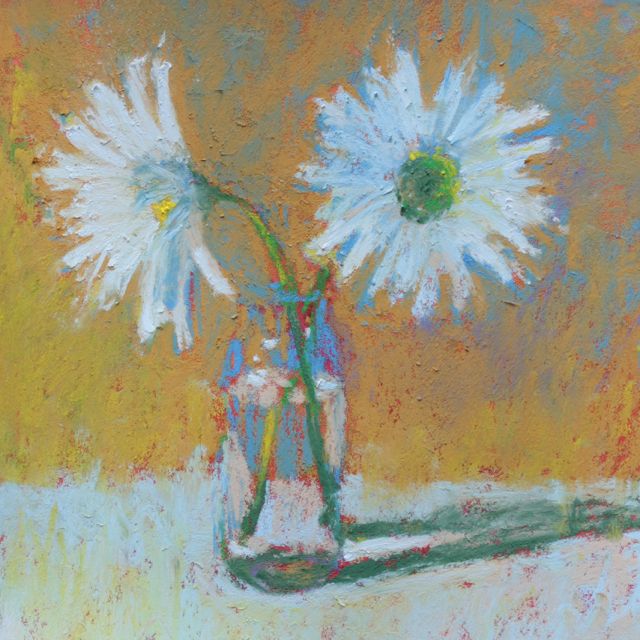
Unlocking the Secrets of High Key Painting Techniques: A Comprehensive Guide for Artists
Introduction
High key painting, characterized by its predominantly light and airy tones, evokes a sense of optimism, serenity, and ethereal beauty. Mastering this technique requires a deep understanding of color theory, composition, and the interplay of light and shadow. This comprehensive guide will delve into the intricacies of high key painting, empowering artists to unlock its full potential and create captivating works of art.
Color Theory and Value Range
The foundation of high key painting lies in a limited color palette dominated by light and neutral hues. White, cream, beige, and soft shades of yellow, blue, and pink form the core of this technique. By restricting the value range to a narrow spectrum, artists create a cohesive and harmonious composition.
Composition and Focal Point
In high key paintings, the composition plays a crucial role in guiding the viewer’s eye. A strong focal point, often rendered in slightly darker tones, anchors the composition and creates visual interest. The surrounding elements, painted in lighter shades, recede into the background, enhancing the depth and dimensionality of the artwork.
Light and Shadow
The interplay of light and shadow is essential for creating depth and texture in high key paintings. Subtle gradations of light and dark tones define forms and suggest the presence of light sources. Soft, diffused light illuminates the subject, casting gentle shadows that enhance its three-dimensionality.
Techniques and Materials
- Glazing: Layering thin, transparent glazes over one another allows artists to build up color and luminosity while preserving the underlying tones.
- Scumbling: Applying thin, broken layers of paint creates a textured surface that adds depth and interest to the composition.
- Drybrush: Using a dry brush with minimal paint allows artists to create delicate highlights and suggest fine details.
- Soft Brushes: Soft, synthetic brushes with long, flexible bristles are ideal for blending and creating smooth transitions between tones.
Recommended Materials
- Canvas: A high-quality canvas with a smooth surface and light tone provides an excellent foundation for high key paintings.
- Paints: Use high-quality acrylics or oils with a high pigment load and a limited color palette.
- Brushes: Invest in a variety of soft, synthetic brushes in various sizes and shapes.
- Palette: A white or light-colored palette helps artists visualize and mix the subtle tones required for high key painting.
Tips for Success
- Start with a Light Underpainting: Begin by creating a light underpainting in a neutral tone to establish the composition and value range.
- Work in Thin Layers: Apply thin, transparent layers of paint to build up color and luminosity gradually.
- Use Soft Transitions: Blend tones seamlessly to create a harmonious and cohesive composition.
- Pay Attention to Details: Subtle variations in tone and texture can enhance the depth and realism of the artwork.
- Experiment with Different Techniques: Explore various glazing, scumbling, and drybrush techniques to achieve the desired effects.
Conclusion
High key painting is a captivating technique that allows artists to create ethereal and uplifting works of art. By mastering color theory, composition, and the interplay of light and shadow, artists can unlock the full potential of this technique. With patience, practice, and a keen eye for detail, they can produce stunning paintings that evoke a sense of joy, serenity, and timeless beauty.
Post a Comment for "Unlocking High Key Painting Techniques"