The Divine Touch: Choosing the Right Church Painting Contractor
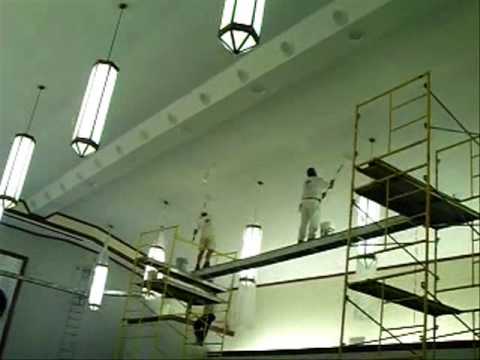
Your church is more than just a building; it’s a sacred space, a beacon of hope, and a gathering place for your community. Its walls hold countless stories, whispered prayers, and the echoes of joyful hymns. As such, painting your church isn’t just a cosmetic project; it’s an opportunity to refresh, revitalize, and reaffirm its spiritual significance. Choosing the right painting contractor is crucial to ensuring this process honors your church’s unique character and reflects its enduring spirit.
Beyond Aesthetics: The Importance of Specialized Expertise
Church painting projects demand a unique blend of artistry, technical skill, and respect for the sacred. A standard commercial painting contractor might not possess the sensitivity and understanding required for this type of project. Here’s why:
- Understanding Architectural Styles: Churches often boast intricate architectural details, from soaring vaulted ceilings to delicate stained glass windows. A specialized contractor understands the nuances of these styles and can navigate them with care, preserving the historical integrity of your building.
- Respect for Sacred Spaces: A church painting project requires a deep appreciation for the sacred nature of the space. The contractor should be mindful of the spiritual significance of your church and ensure that all work is conducted with reverence and respect.
- Specialized Materials and Techniques: Church interiors often feature delicate surfaces, such as plaster, frescoes, or even historic murals. A specialized contractor will possess the knowledge and experience to handle these materials with the utmost care, using appropriate techniques to ensure their preservation.
Choosing Your Partner in Faith: Key Considerations
Finding the right church painting contractor is a journey of discovery, one that requires careful consideration of your needs and priorities. Here are some key factors to guide your selection:
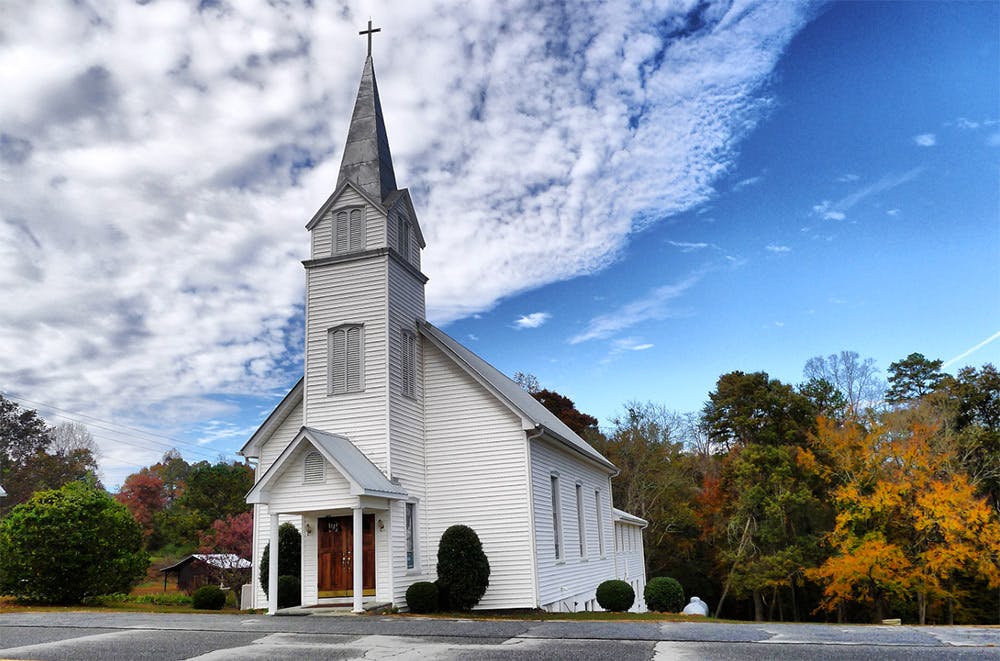
1. Experience and Portfolio:
- Specialized Expertise: Look for a contractor with a proven track record of working on churches and other religious institutions. Their portfolio should showcase projects similar in scope and style to your own.
- Understanding of Historical Preservation: If your church is a historical landmark, ensure the contractor is familiar with the nuances of historical preservation and can comply with relevant regulations.
- Testimonials and References: Don’t hesitate to request testimonials from previous clients, especially those who have worked on similar projects. This will provide valuable insights into the contractor’s work ethic, communication skills, and overall client satisfaction.

2. Communication and Collaboration:
- Active Listening: A good contractor will listen attentively to your vision for the project, asking clarifying questions and offering expert advice. They should be receptive to your ideas and concerns, ensuring a collaborative approach.
- Clear Communication: From the initial consultation to the final walkthrough, the contractor should maintain clear and consistent communication, keeping you informed of progress, potential challenges, and any necessary adjustments.
- Respect for Your Schedule: Church projects often require careful planning to avoid disruptions to services and events. The contractor should be flexible and accommodating, working within your schedule and minimizing any potential inconvenience.

3. Quality and Materials:
- High-Quality Paints and Finishes: The contractor should use only high-quality paints and finishes that are durable, aesthetically pleasing, and appropriate for your church’s specific needs. Inquire about their preferred brands and discuss options for different finishes, such as matte, satin, or semi-gloss.
- Environmental Considerations: Consider the environmental impact of the paint and finishes used. Look for low-VOC (volatile organic compound) options that are healthier for your congregation and the environment.
- Attention to Detail: A skilled contractor will pay meticulous attention to detail, ensuring smooth transitions, clean edges, and even coverage. They should also be able to address any specific requirements, such as matching existing colors or replicating intricate patterns.
4. Budget and Pricing:
- Detailed Estimates: Request a detailed, itemized estimate that breaks down the costs of labor, materials, and any additional services, such as scaffolding or specialized equipment.
- Transparent Pricing: Ensure the contractor is transparent about their pricing structure, outlining any potential additional costs or contingencies.
- Value for Money: While cost is an important factor, it’s crucial to prioritize value over price. Choose a contractor who offers a balanced combination of quality, experience, and affordability.
5. Safety and Insurance:
- Safety Practices: The contractor should have a strong safety record and adhere to industry best practices. Inquire about their safety protocols and ensure they have the necessary certifications and licenses.
- Insurance Coverage: Verify that the contractor carries adequate liability insurance to cover any potential accidents or damage during the project. This will protect both you and the contractor from financial risk.
Beyond the Brushstroke: Additional Considerations
As you embark on your church painting project, consider these additional factors:
- Color Selection: Choose colors that reflect the spirit and character of your church. Consult with a color specialist or design professional to ensure the chosen colors complement the architecture and create a welcoming and inspiring atmosphere.
- Lighting: Consider the impact of lighting on the chosen colors. Natural light can affect how colors appear, so it’s essential to test samples in different lighting conditions.
- Maintenance: Discuss with the contractor the long-term maintenance requirements of the paint and finishes. Inquire about cleaning protocols and potential touch-up needs.
A Lasting Legacy: The Impact of a Well-Executed Project
A well-executed church painting project is more than just a fresh coat of paint. It’s an investment in the future of your congregation, a tangible expression of your commitment to preserving your sacred space, and a testament to the enduring power of faith. By choosing the right contractor, you can ensure that your church’s transformation is both beautiful and meaningful, leaving a lasting legacy for generations to come.

The Divine Touch: Choosing the Right Church Painting Contractor
Post a Comment for "Church Painting Contractor: Choosing The Right Professional"