Restoring Classic Elegance: Painting Queen Anne Furniture

Table of Content
- 1 Restoring Classic Elegance: Painting Queen Anne Furniture
- 1.1 Understanding Queen Anne Style: A Foundation for Restoration
- 1.2 Preparing for the Painting Process: A Foundation for Success
- 1.3 Choosing the Right Paint: A Spectrum of Possibilities
- 1.4 Painting Techniques: Mastering the Craft
- 1.5 Finishing Touches: Adding Elegance and Protection
- 1.6 Conclusion: Reimagining Queen Anne Furniture
Queen Anne furniture, with its graceful curves and understated elegance, has captivated collectors and enthusiasts for centuries. While the allure of its original finishes remains undeniable, the desire to breathe new life into these pieces with a fresh coat of paint is growing. This article will guide you through the process of painting Queen Anne furniture, ensuring you achieve a stunning and historically respectful transformation.
Understanding Queen Anne Style: A Foundation for Restoration
Before embarking on the painting journey, a deep understanding of the Queen Anne style is crucial. This period, named after Queen Anne of Great Britain, spanned from 1702 to 1714, but its influence on furniture design extended well into the 18th century. Queen Anne furniture is characterized by:
- Curvilinear Forms: Fluid, sweeping curves define the legs, arms, and backs of Queen Anne pieces, creating a sense of graceful movement.
- Walnut Wood: Walnut was the primary wood used due to its rich color and beautiful grain patterns.
- Cabriole Legs: These distinctive S-shaped legs, often ending in ball-and-claw feet, are a hallmark of Queen Anne furniture.
- Simple, Elegant Ornamentation: While ornate details were not uncommon, Queen Anne furniture favored understated embellishments like carved shells, scrolls, and acanthus leaves.
- Emphasis on Functionality: Queen Anne furniture was designed for both comfort and practicality, reflecting the evolving needs of the era.

Preparing for the Painting Process: A Foundation for Success
A successful paint job hinges on meticulous preparation. This involves stripping the existing finish, sanding, and priming, setting the stage for a flawless application.
1. Stripping the Existing Finish:
- Chemical Strippers: These are effective for removing multiple layers of paint or varnish. However, they require careful handling and ventilation due to their strong fumes.
- Heat Gun: A heat gun softens the existing finish, making it easier to scrape off. Be cautious, as excessive heat can damage the wood.
- Sanding: For light coats of paint or varnish, sanding with progressively finer grits can remove the existing finish. This method is less aggressive than chemical stripping.

2. Sanding and Cleaning:
- Sanding: After stripping, smooth the wood surface with progressively finer grit sandpaper (e.g., 120, 180, 220) to create a uniform texture and remove any remaining imperfections.
- Cleaning: Thoroughly clean the wood surface with a damp cloth to remove dust and sanding residue. Allow the wood to dry completely before proceeding.

3. Priming:
- Purpose: Priming creates a barrier between the wood and the paint, preventing the wood’s natural oils from interfering with the paint’s adhesion.
- Types: Choose a primer specifically designed for the type of paint you’ll be using (e.g., oil-based, latex).
Choosing the Right Paint: A Spectrum of Possibilities
The choice of paint is critical, as it dictates the final look and feel of your Queen Anne furniture. Consider the following factors:
- Finish: Choose a finish that complements the style and age of the piece. For a traditional look, consider a satin or semi-gloss finish. For a more contemporary feel, a matte or eggshell finish may be preferable.
- Color: While traditional Queen Anne furniture often featured dark wood stains, painting allows for a wider range of colors. Consider classic choices like black, white, or shades of gray, or explore bolder hues that reflect your personal style.
- Durability: Choose a paint that is durable enough to withstand everyday wear and tear. Look for paints with a high-quality formula and a good reputation for durability.
Popular Paint Choices for Queen Anne Furniture:
- Milk Paint: Offers a vintage, chalky finish and is available in a wide range of colors. It’s relatively easy to apply and can be distressed for an aged look.
- Chalk Paint: Similar to milk paint, chalk paint provides a matte finish and can be easily distressed. It’s known for its quick drying time and ease of application.
- Acrylic Paint: A versatile and durable option, acrylic paint is water-based and dries quickly. It’s available in a wide range of colors and finishes.
- Oil-Based Paint: Offers a smooth, durable finish and is known for its excellent adhesion. However, it requires more preparation and can take longer to dry.
Painting Techniques: Mastering the Craft
Once you’ve selected your paint, the painting process itself requires careful technique to achieve a professional finish.
1. Applying the Paint:
- Brush: Use a high-quality brush designed for the type of paint you’ve chosen. Apply thin, even coats, working in the direction of the wood grain.
- Roller: For large surfaces, a roller can provide a smooth, even finish. Use a high-quality roller cover and apply the paint in smooth, even strokes.
- Spray Gun: For a truly professional finish, consider using a spray gun. This method requires practice and proper ventilation.
2. Drying Time:
- Allow the paint to dry completely between coats. The drying time will vary depending on the type of paint you’ve chosen.
- Apply multiple thin coats rather than one thick coat. This will help to ensure a smooth, even finish.
3. Distressing for a Vintage Look:
- Distressing: This technique adds a touch of age and character to painted furniture. Use sandpaper, steel wool, or a wire brush to gently rub away some of the paint, revealing the wood underneath.
- Waxing: After distressing, apply a clear wax to protect the paint and enhance its sheen.
Finishing Touches: Adding Elegance and Protection
Once the paint is dry, you can add finishing touches to enhance the beauty and longevity of your Queen Anne furniture.
1. Waxing:
- Purpose: Waxing provides a protective layer that shields the paint from scratches and water damage. It also enhances the sheen of the paint, giving it a beautiful, warm glow.
- Types: Choose a wax specifically designed for painted furniture. There are many types of wax available, including paste wax, liquid wax, and spray wax.
2. Polyurethane:
- Purpose: Polyurethane is a durable, water-based finish that provides excellent protection for painted furniture. It’s available in both matte and gloss finishes.
- Application: Apply polyurethane in thin, even coats, allowing each coat to dry completely before applying the next.
3. Hardware:
- Replace or refinish the hardware: New hardware can give your Queen Anne furniture a fresh, updated look. Consider using brass or silver hardware for a classic touch.
Conclusion: Reimagining Queen Anne Furniture
Painting Queen Anne furniture allows you to breathe new life into these timeless pieces, transforming them into statement pieces that reflect your personal style. By following the steps outlined above, you can create a stunning and historically respectful restoration that will be cherished for years to come. Remember, the key to success lies in meticulous preparation, careful paint selection, and a touch of artistic flair.
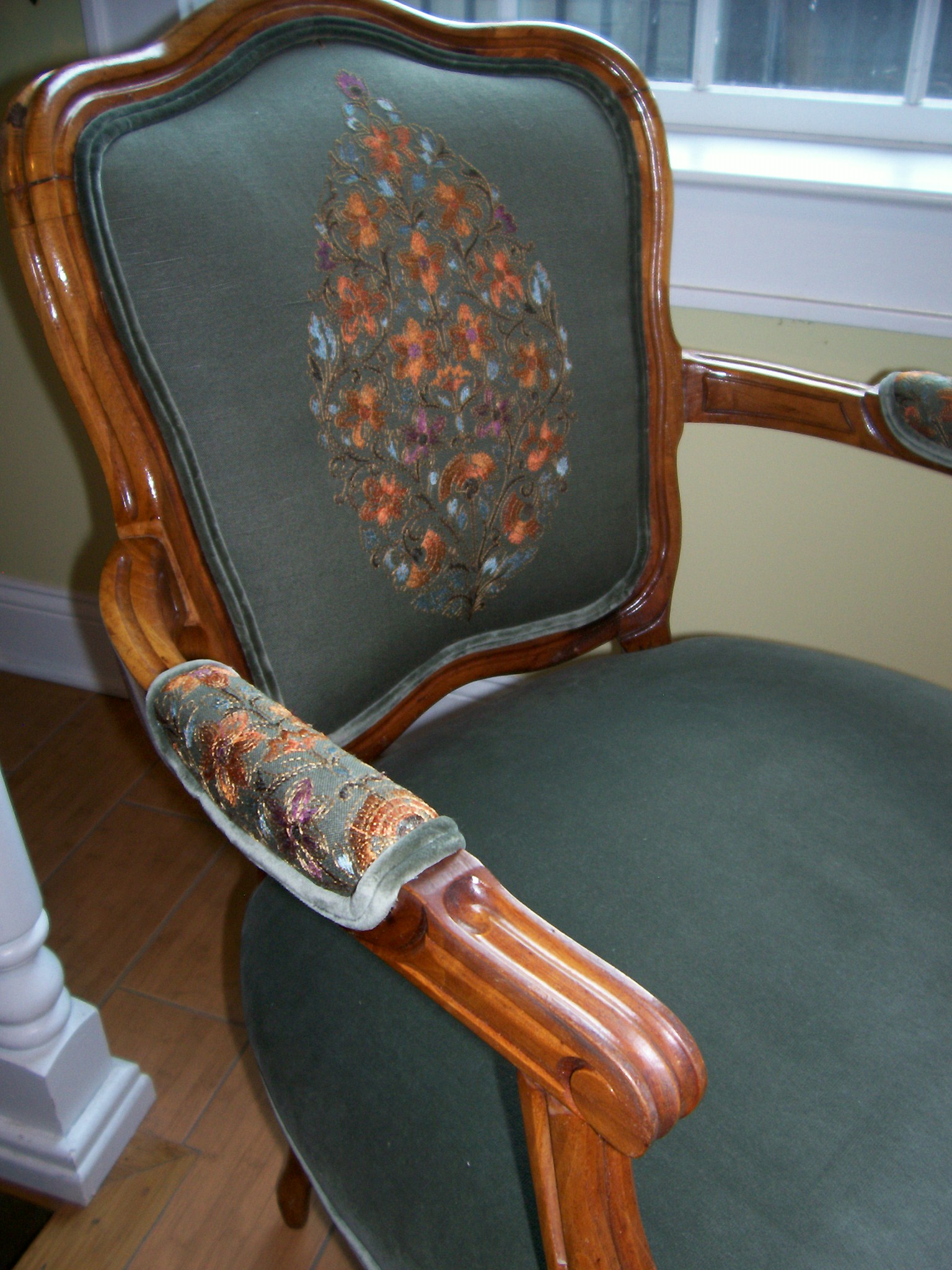
Restoring Classic Elegance: Painting Queen Anne Furniture
Post a Comment for "Painting Queen Anne Furniture: Restoring Classic Elegance"