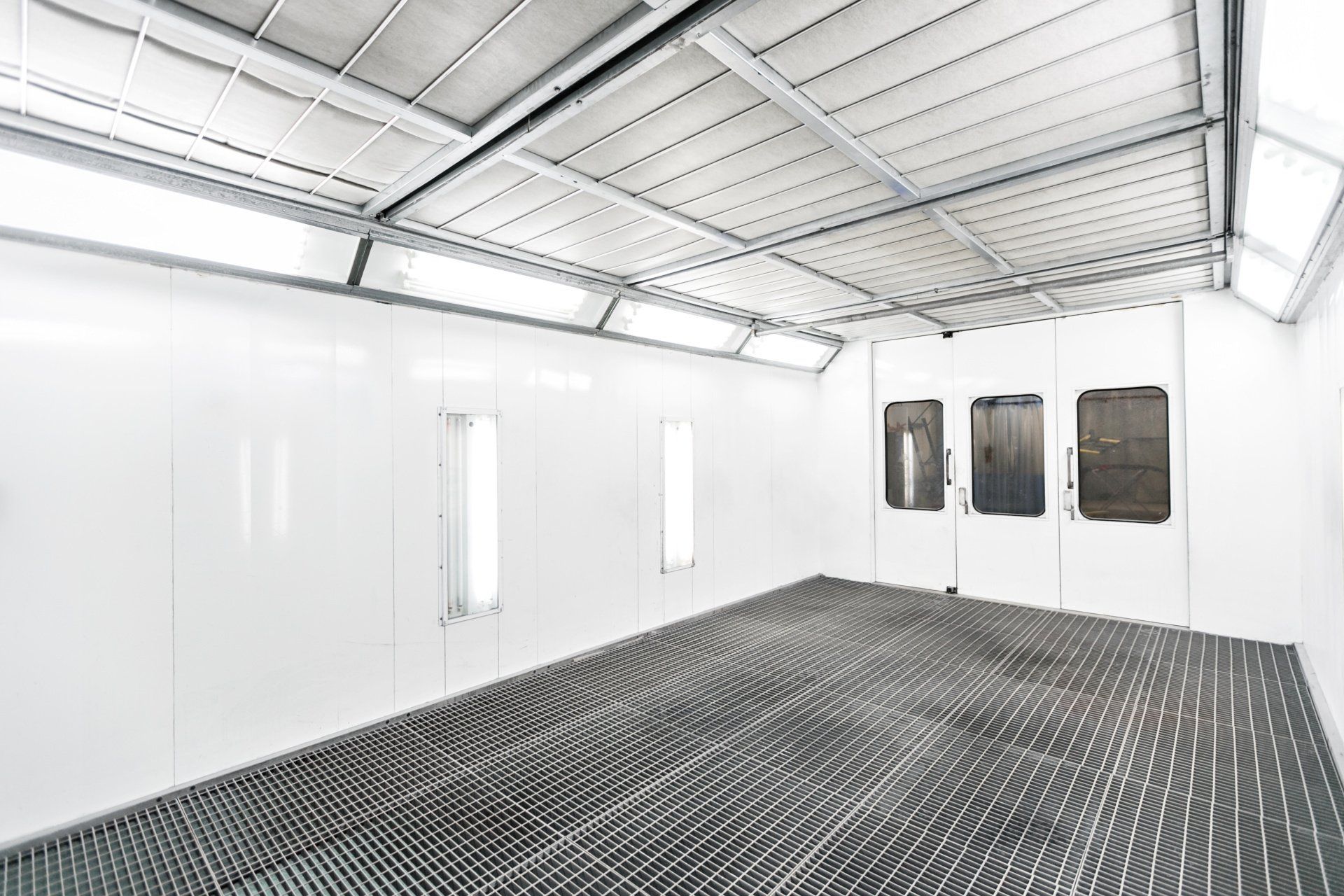
Paint Booth Filter Wall: Maximizing Efficiency in Spray Booths
Introduction
In the realm of automotive refinishing, spray booths play a pivotal role in ensuring a pristine finish and a safe working environment. Paint booth filter walls are an indispensable component of these booths, responsible for capturing overspray and maintaining optimal air quality. By understanding the intricacies of paint booth filter walls, we can harness their full potential to enhance efficiency and productivity.
Understanding Paint Booth Filter Walls
Paint booth filter walls are composed of a series of filters arranged in a vertical configuration. These filters are typically made from various materials such as fiberglass, cellulose, or synthetic blends. As overspray-laden air passes through the filter wall, the filters trap the paint particles, preventing them from escaping into the surrounding environment.
The efficiency of a paint booth filter wall is measured by its Minimum Efficiency Reporting Value (MERV) rating. MERV ratings range from 1 to 16, with higher ratings indicating a higher efficiency in capturing smaller particles. For spray booths, MERV ratings of 8 or higher are recommended to effectively remove overspray and maintain air quality.
Types of Paint Booth Filter Walls
There are two primary types of paint booth filter walls:
- Pleated Filter Walls: These walls consist of accordion-style pleated filters that provide a large surface area for capturing overspray. They are known for their high efficiency and long service life.
- Bag Filter Walls: These walls utilize cylindrical bags made of filter media. They are less efficient than pleated filters but offer a lower cost option.
Benefits of Paint Booth Filter Walls
Paint booth filter walls offer numerous benefits, including:
- Improved Air Quality: By trapping overspray, filter walls significantly reduce the concentration of paint particles in the air, creating a healthier and more comfortable working environment.
- Enhanced Paint Finish: Clean air ensures that paint particles adhere evenly to the surface, resulting in a smooth and blemish-free finish.
- Reduced Maintenance Costs: Filter walls prevent overspray from accumulating on equipment and surfaces, minimizing the need for frequent cleaning and maintenance.
- Compliance with Regulations: Many jurisdictions have regulations governing air quality in spray booths. Filter walls help businesses comply with these regulations and avoid potential fines.
Selecting the Right Paint Booth Filter Wall
Choosing the appropriate paint booth filter wall is crucial for maximizing efficiency. Factors to consider include:
- MERV Rating: Determine the required efficiency based on the type of paint and the desired air quality.
- Filter Type: Pleated filters offer higher efficiency, while bag filters are more economical.
- Size and Configuration: Ensure that the filter wall fits the specific dimensions of the spray booth.
- Maintenance Requirements: Consider the ease of replacing and cleaning the filters.
Maintenance and Replacement
Regular maintenance is essential to ensure the optimal performance of paint booth filter walls. Filters should be inspected periodically and replaced when they become clogged or damaged. The frequency of replacement depends on the usage and the type of filter.
Conclusion
Paint booth filter walls are an essential component of any spray booth, providing numerous benefits that enhance efficiency and productivity. By understanding the different types, selecting the right filter wall, and implementing proper maintenance practices, businesses can maximize the effectiveness of their spray booths and create a safe and productive work environment.
Post a Comment for "Paint Booth Filter Wall: Maximizing Efficiency In Spray Booths"