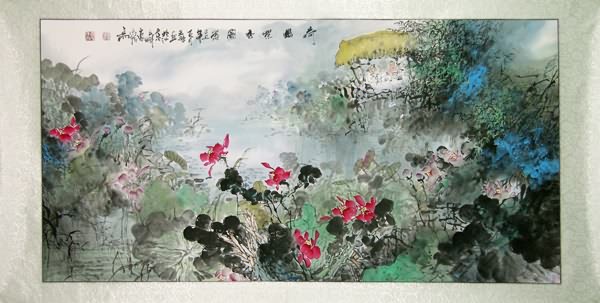
Framing Elegance: Chinese Painting Framing Techniques
Introduction
Chinese painting, with its rich history and exquisite artistry, demands a framing approach that not only complements its beauty but also preserves its delicate nature. Framing techniques have evolved over centuries in China, resulting in a sophisticated array of methods designed to enhance the visual impact of these treasured artworks. This comprehensive guide will delve into the intricacies of Chinese painting framing, exploring the materials, techniques, and styles that have shaped this enduring art form.
Materials and Tools
The selection of materials for Chinese painting framing is crucial to ensure the longevity and aesthetic appeal of the artwork.
- Wood: Traditional Chinese painting frames are crafted from high-quality hardwoods, such as rosewood, mahogany, or walnut. These woods are prized for their durability, rich grain patterns, and ability to withstand the test of time.
- Silk Brocade: Silk brocade is a luxurious fabric often used to line the interior of Chinese painting frames. Its intricate patterns and vibrant colors add a touch of elegance and protect the painting from moisture and dust.
- Glass: Glass provides a protective barrier for the painting while allowing viewers to fully appreciate its details. Anti-reflective glass is recommended to minimize glare and enhance the clarity of the artwork.
- Mounting: Acid-free mounting materials, such as archival mat board and rice paper, are essential for preserving the painting’s integrity. These materials prevent the artwork from coming into direct contact with the frame and protect it from harmful acids and chemicals.
Techniques
Chinese painting framing techniques have been refined over centuries to create visually stunning and protective frames.
- Floating Mount: The floating mount technique involves suspending the painting within the frame using spacers, creating the illusion that it is floating above the backing. This technique is commonly used for modern and contemporary Chinese paintings.
- Inset Mount: The inset mount technique involves placing the painting directly onto the backing board and securing it with a thin border. This technique is suitable for traditional Chinese paintings and creates a more intimate connection between the artwork and the viewer.
- Double Mount: The double mount technique combines the floating and inset mount techniques, creating a layered effect that adds depth and dimension to the frame. This technique is often used for larger or more elaborate paintings.
Styles
Chinese painting frames come in a wide range of styles, each reflecting a specific period or region.
- Classic Style: Classic Chinese painting frames are characterized by their simple and elegant lines, often featuring a rectangular or square shape. They are typically made from dark-colored hardwoods and feature minimal ornamentation.
- Contemporary Style: Contemporary Chinese painting frames embrace modern design elements, incorporating asymmetrical shapes, vibrant colors, and unique materials. They often feature innovative mounting techniques and push the boundaries of traditional framing.
- Regional Styles: Different regions of China have developed their own unique framing styles. For example, Cantonese frames are known for their intricate carvings and use of bright colors, while Suzhou frames are renowned for their delicate brushwork and understated elegance.
Diagram: Chinese Painting Framing Styles
| Style | Characteristics |
|---|---|
| Classic | Rectangular or square shape, dark-colored hardwoods, minimal ornamentation |
| Contemporary | Asymmetrical shapes, vibrant colors, unique materials, innovative mounting techniques |
| Cantonese | Intricate carvings, bright colors |
| Suzhou | Delicate brushwork, understated elegance |
Conclusion
Framing Chinese paintings is an art form in itself, requiring a deep understanding of the materials, techniques, and styles involved. By carefully selecting the right materials and employing the appropriate framing techniques, you can enhance the beauty and longevity of these treasured artworks. Whether you prefer the classic elegance of traditional frames or the bold innovation of contemporary designs, there is a Chinese painting frame to complement any artwork and elevate its presence in any space.
Post a Comment for "Framing Elegance: Chinese Painting Framing Techniques"