Applying Spar Urethane Over Paint: A Comprehensive Guide
Table of Content
- 1 Applying Spar Urethane Over Paint: A Comprehensive Guide
- 1.1 Understanding Spar Urethane and Its Uses
- 1.2 When to Apply Spar Urethane Over Paint
- 1.3 Preparation: The Key to Success
- 1.4 Applying Spar Urethane: A Step-by-Step Guide
- 1.5 Tips for Successful Application
- 1.6 Troubleshooting Common Problems
- 1.7 Maintenance and Care
- 1.8 Conclusion
Spar urethane is a durable and protective finish often used on wooden surfaces exposed to the elements, like boats, decks, and furniture. While it’s commonly applied directly to bare wood, there are situations where you might need to apply spar urethane over existing paint. This guide will walk you through the process, covering everything from preparation to application and finishing.
Understanding Spar Urethane and Its Uses
Spar urethane is a type of polyurethane coating specifically formulated to withstand harsh weather conditions. It offers excellent UV protection, water resistance, and durability, making it ideal for outdoor applications. Unlike regular polyurethane, spar urethane is designed to be flexible and withstand the expansion and contraction of wood due to temperature changes.
When to Apply Spar Urethane Over Paint
While spar urethane is primarily used on bare wood, there are several scenarios where applying it over paint is beneficial:
- Refinishing: If your existing paint is in good condition but needs a fresh coat of protection, applying spar urethane can provide a durable finish without stripping the old paint.
- Adding UV protection: If your existing paint lacks UV protection, applying a layer of spar urethane can help prevent fading and discoloration caused by sunlight.
- Enhancing gloss: Spar urethane can add a glossy finish to existing paint, enhancing its appearance.
- Repairing damaged paint: Spar urethane can be used to seal and protect small scratches or chips in paint, preventing further damage.
Preparation: The Key to Success
Proper preparation is crucial for a successful spar urethane application over paint. Here’s a detailed breakdown of the steps:
1. Surface Cleaning:
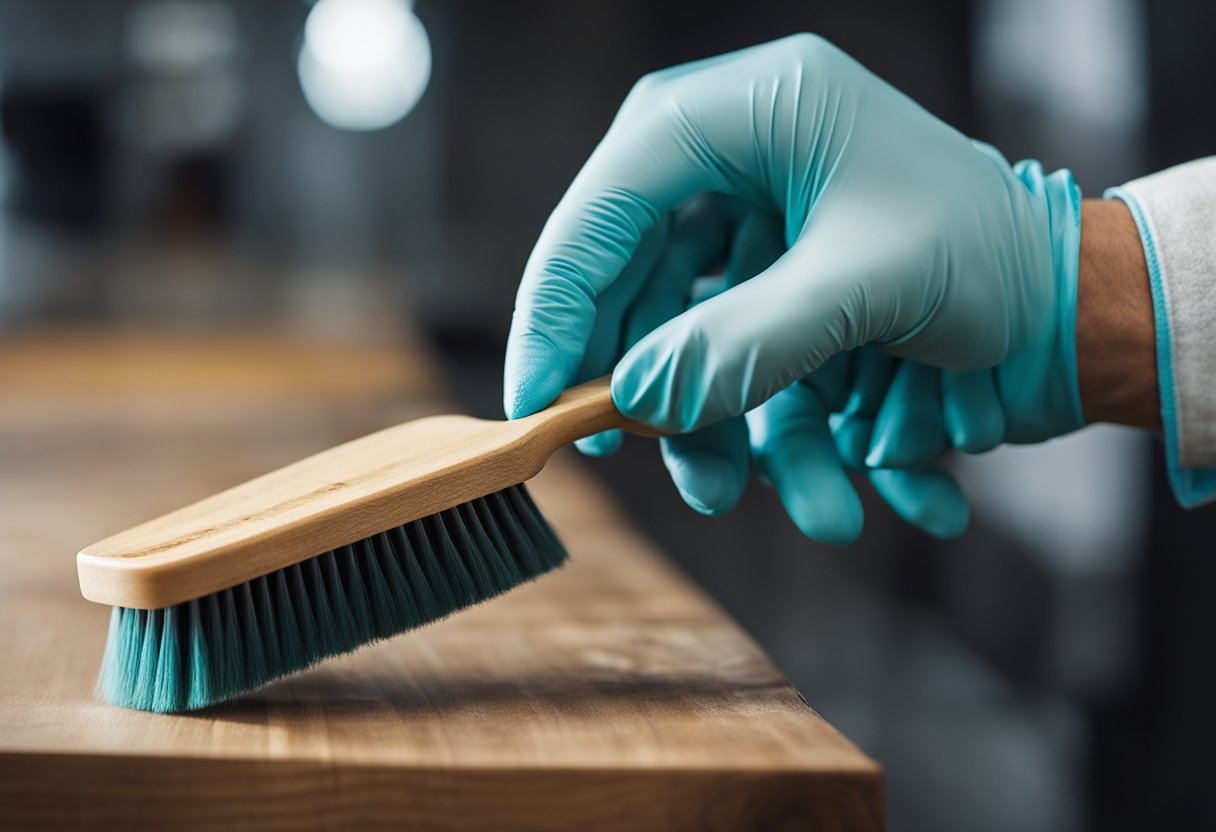
- Remove dirt and debris: Thoroughly clean the surface with a mild detergent and water. Use a brush or sponge to scrub away any dirt, grime, or loose particles.
- Remove mildew: If mildew is present, use a mildew remover according to the manufacturer’s instructions.
- Allow to dry completely: Ensure the surface is completely dry before proceeding.
2. Sanding:
- Light sanding: Lightly sand the existing paint with 220-grit sandpaper to create a smooth surface and improve adhesion.
- Focus on rough spots: Concentrate on areas with imperfections, like scratches or chips, to ensure a smooth finish.
- Remove dust: Thoroughly remove sanding dust using a tack cloth or a damp cloth.
3. Priming (Optional):
- Use a primer compatible with both paint and spar urethane: If the existing paint is glossy or has a different chemical composition than the spar urethane, applying a primer can enhance adhesion and prevent problems with compatibility.
- Choose a primer specifically designed for outdoor use: Ensure the primer offers good UV protection and weather resistance.
- Apply according to manufacturer’s instructions: Follow the primer’s drying time before proceeding to the next step.
4. Masking:
- Protect surrounding areas: Use masking tape to protect areas you don’t want to coat with spar urethane, such as windows, trim, or other surfaces.
- Ensure a clean line: Press the tape down firmly to create a clean line and prevent bleeding.
Applying Spar Urethane: A Step-by-Step Guide
1. Choose the Right Spar Urethane:
- Consider the finish: Spar urethane is available in different finishes, including gloss, semi-gloss, satin, and matte. Choose a finish that complements the existing paint and the desired aesthetic.
- Select a quality product: Invest in a high-quality spar urethane from a reputable brand to ensure durability and longevity.
2. Application Technique:
- Brush, roller, or spray: Spar urethane can be applied using a brush, roller, or spray gun. Choose the method that best suits your project and skill level.
- Thinning (if necessary): Check the manufacturer’s instructions for thinning recommendations. Some spar urethanes may need to be thinned with mineral spirits for easier application.
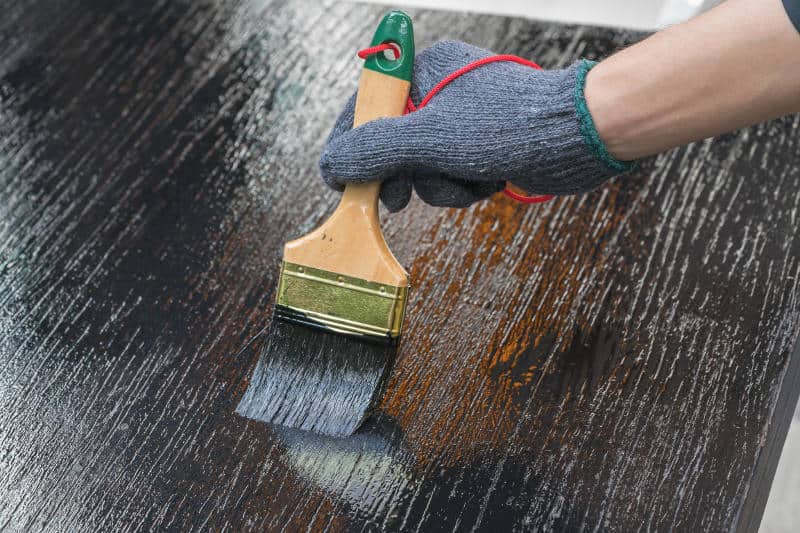
- Apply thin coats: Apply thin, even coats of spar urethane. Avoid overloading the brush or roller, as this can lead to drips and runs.
- Work in small sections: Apply the spar urethane in small sections to ensure even coverage and prevent the coating from drying too quickly.
- Use long, smooth strokes: Apply the spar urethane with long, smooth strokes, following the grain of the wood.
- Avoid over-working: Once the spar urethane is applied, avoid going back over it repeatedly, as this can create brush marks or streaks.
3. Drying Time:
- Allow adequate drying time: Allow each coat of spar urethane to dry thoroughly before applying the next coat. The drying time will vary depending on the product and environmental conditions.
- Refer to the manufacturer’s instructions: Always check the manufacturer’s instructions for the recommended drying time.
4. Number of Coats:
- Apply multiple coats: Apply at least two coats of spar urethane for optimal protection.
- Allow each coat to dry thoroughly before applying the next: This ensures proper adhesion and a durable finish.
5. Finishing Touches:
- Remove masking tape: Carefully remove the masking tape once the spar urethane is completely dry.
- Clean up: Clean your brushes, rollers, or spray gun thoroughly with mineral spirits or the recommended cleaner.
- Dispose of materials properly: Dispose of any leftover spar urethane and cleaning materials according to local regulations.
Tips for Successful Application
- Work in a well-ventilated area: Spar urethane emits fumes, so it’s important to work in a well-ventilated area.
- Wear protective gear: Wear gloves, eye protection, and a respirator to protect yourself from the fumes and potential skin irritation.
- Apply in cool, dry conditions: Avoid applying spar urethane in hot, humid, or windy conditions, as this can affect drying time and adhesion.
- Avoid applying in direct sunlight: Direct sunlight can cause the spar urethane to cure too quickly, leading to uneven coverage and a less durable finish.
- Sand between coats (optional): Lightly sand between coats with fine-grit sandpaper to smooth out any imperfections and create a smoother finish.
Troubleshooting Common Problems
- Drips and runs: If you experience drips or runs, use a brush or putty knife to smooth them out before the spar urethane dries completely.
- Brush marks: Avoid over-working the spar urethane to minimize brush marks. If they appear, lightly sand them out with fine-grit sandpaper before applying the next coat.
- Uneven coverage: Apply thin, even coats of spar urethane to ensure even coverage. If you notice unevenness, apply an additional coat to correct it.
- Poor adhesion: Ensure proper preparation, including cleaning, sanding, and priming, to ensure good adhesion. If you encounter adhesion problems, you may need to strip the existing paint and start over.
- Fading or discoloration: Choose a spar urethane with excellent UV protection to prevent fading or discoloration.
Maintenance and Care
Once the spar urethane is applied and cured, it requires minimal maintenance. However, it’s important to clean the surface regularly to remove dirt, debris, and mildew. Use a mild detergent and water to clean the surface, and avoid harsh chemicals that can damage the spar urethane.
Conclusion
Applying spar urethane over paint is a viable option for refinishing, adding UV protection, enhancing gloss, or repairing damaged paint. By following the steps outlined in this guide, you can achieve a durable and protective finish that will enhance the appearance and longevity of your project. Remember, proper preparation, careful application, and regular maintenance are key to maximizing the benefits of spar urethane.
Applying Spar Urethane Over Paint: A Comprehensive Guide
Post a Comment for "Applying Spar Urethane Over Paint: A How-To Guide"