Unlocking the Power of Kutzit Paint Remover: A Comprehensive Guide to Effective Paint Stripping

Table of Content
- 1 Unlocking the Power of Kutzit Paint Remover: A Comprehensive Guide to Effective Paint Stripping
- 1.1 Understanding Kutzit Paint Remover: Types and Applications
- 1.2 Selecting the Right Kutzit Paint Remover: Factors to Consider
- 1.3 Preparing for Success: Essential Steps Before Applying Kutzit
- 1.4 Applying Kutzit Paint Remover: Techniques for Optimal Results
- 1.5 Post-Treatment: Neutralizing and Finishing
- 1.6 Safety Precautions and Disposal: Responsible Use of Kutzit
- 1.7 Troubleshooting Common Issues: Addressing Paint Stripping Challenges
- 1.8 Kutzit Paint Remover: A Valuable Tool for Professionals and DIYers
- 1.9 Conclusion: Embracing the Power of Kutzit for Successful Paint Stripping
Kutzit paint remover is a powerful tool for anyone tackling a paint stripping project. Whether you’re restoring antique furniture, removing layers of paint from a vintage door, or simply giving your walls a fresh start, Kutzit can help you achieve professional-looking results. This comprehensive guide explores everything you need to know about using Kutzit paint remover, from choosing the right product to applying it safely and effectively.
Understanding Kutzit Paint Remover: Types and Applications
Kutzit offers a range of paint removers designed for different applications and surfaces. Here’s a breakdown of the most popular types:
1. Kutzit Heavy Duty Paint Remover: This is the go-to choice for removing multiple layers of paint, including stubborn oil-based paints, varnish, and lacquer. It’s ideal for stripping large surfaces like furniture, doors, and exterior trim.
2. Kutzit Gel Paint Remover: This gel formula is designed for vertical surfaces, preventing drips and runs. It’s particularly effective for removing paint from intricate carvings and moldings.
3. Kutzit Citrus-Based Paint Remover: This eco-friendly option is perfect for sensitive surfaces like wood and metal. It’s biodegradable and less harsh than chemical-based removers, making it a safe choice for indoor projects.
4. Kutzit Aerosol Paint Remover: This convenient spray formula is ideal for small areas and intricate details. It’s easy to apply and dries quickly, making it a time-saving option for touch-ups and small projects.
Selecting the Right Kutzit Paint Remover: Factors to Consider
Choosing the right Kutzit paint remover depends on several factors:
- Surface Type: Consider the material you’re stripping, as different paint removers are formulated for specific surfaces. Wood, metal, plastic, and concrete each require a specialized product.
- Paint Type: The type of paint you’re removing (oil-based, latex, acrylic, etc.) will determine the best remover. Kutzit offers products designed for specific paint types.
- Number of Layers: If you’re dealing with multiple layers of paint, a heavy-duty remover is recommended. For single layers or thin coatings, a gentler formula might suffice.
- Environmental Concerns: If you’re concerned about the environment, consider a citrus-based or biodegradable option.

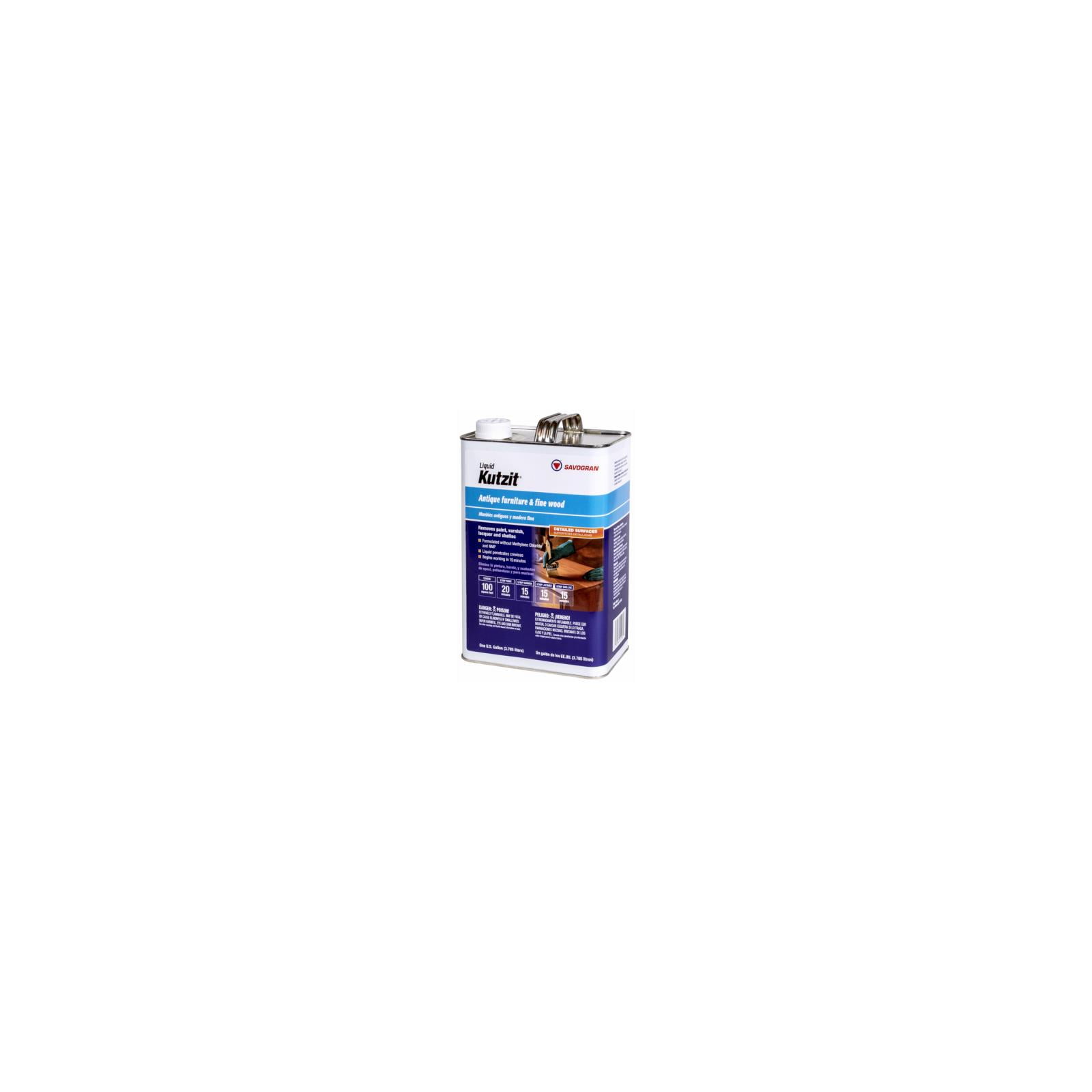
Preparing for Success: Essential Steps Before Applying Kutzit
Proper preparation is crucial for successful paint stripping with Kutzit. Here’s a step-by-step guide:
- Safety First: Wear protective gear, including gloves, goggles, and a respirator mask, to avoid skin and respiratory irritation. Work in a well-ventilated area.
- Surface Cleaning: Thoroughly clean the surface with soap and water to remove dirt, grease, and grime. This ensures the remover adheres properly and works effectively.
- Masking Off: Use painter’s tape to protect surrounding areas that you don’t want to strip. This helps to avoid accidental removal of paint or damage to other surfaces.
- Test in an Unseen Area: Before applying the remover to the entire surface, test it in an inconspicuous area to ensure compatibility and desired results.
- Read the Instructions: Carefully read and follow the instructions provided on the Kutzit product label. This includes information on application time, removal methods, and safety precautions.

Applying Kutzit Paint Remover: Techniques for Optimal Results
Applying Kutzit paint remover correctly is essential for effective paint stripping. Here’s a detailed guide:
1. Using a Paintbrush or Roller:
- Heavy Duty Remover: Apply a generous coat of remover to the surface, ensuring complete coverage.
- Gel Remover: Use a paintbrush to apply the gel in a thick layer, allowing it to penetrate the paint layers.
- Citrus-Based Remover: Apply a thin, even coat using a paintbrush or roller, working in the direction of the wood grain.
2. Using an Aerosol Can:
- Aerosol Remover: Hold the can 8-12 inches from the surface and spray in a sweeping motion. Ensure even coverage and avoid over-spraying.
3. Dwell Time:
- Allow the remover to work: The dwell time (amount of time the remover needs to sit on the surface) varies depending on the product and paint type. Refer to the instructions on the product label.
- Avoid prolonged exposure: Do not leave the remover on the surface for longer than recommended, as it can damage the underlying material.
4. Scraping and Removing Paint:
- Use a scraper: Once the dwell time has elapsed, use a scraper to remove the softened paint. Start with gentle pressure and gradually increase as needed.
- Avoid excessive force: Be careful not to damage the underlying surface. Use a putty knife or a scraper with a plastic blade for delicate surfaces.
- Repeat if necessary: If some paint remains, apply another coat of remover and repeat the scraping process.
Post-Treatment: Neutralizing and Finishing
Once the paint has been removed, it’s crucial to neutralize the remover and prepare the surface for finishing. Here’s how:
- Neutralizing: Use a neutralizing solution or water to remove any residual remover from the surface. This helps to prevent damage to the underlying material.
- Cleaning: Thoroughly clean the surface with soap and water to remove all traces of remover, paint, and debris.
- Sanding: Lightly sand the surface to smooth out any imperfections and create a uniform texture.
- Priming: Apply a primer to the surface before painting or staining. This helps to create a smooth, even surface and improves paint adhesion.
- Finishing: Apply the desired paint or stain according to the manufacturer’s instructions.
Safety Precautions and Disposal: Responsible Use of Kutzit
Using Kutzit paint remover requires responsible practices to ensure safety and environmental protection:
- Ventilation: Work in a well-ventilated area, preferably outdoors. Avoid using the remover in enclosed spaces without proper ventilation.
- Protective Gear: Always wear gloves, goggles, and a respirator mask to protect your skin and respiratory system from harmful fumes.
- Storage: Store Kutzit paint remover in a cool, dry place, away from heat and direct sunlight. Keep it out of reach of children and pets.
- Disposal: Dispose of empty containers and leftover remover according to local regulations. Do not pour it down the drain or into the environment.
Troubleshooting Common Issues: Addressing Paint Stripping Challenges
Here are some common issues you might encounter while using Kutzit paint remover and how to address them:
- Paint Not Softening: This could be due to using the wrong remover for the paint type, insufficient dwell time, or a very thick layer of paint. Try using a heavier-duty remover, extending the dwell time, or applying multiple coats.
- Remover Not Adhering: This might happen if the surface is dirty, greasy, or damp. Ensure the surface is clean, dry, and free of any contaminants before applying the remover.
- Damage to the Surface: Using excessive force while scraping or leaving the remover on for too long can damage the underlying material. Be gentle and follow the recommended dwell time.
- Uneven Removal: This could be caused by inconsistent application or insufficient dwell time. Apply the remover evenly and ensure proper contact time.
Kutzit Paint Remover: A Valuable Tool for Professionals and DIYers
Kutzit paint remover is a versatile and effective tool for anyone tackling a paint stripping project. By understanding the different types of removers, preparing the surface properly, applying it correctly, and following safety guidelines, you can achieve professional-looking results. Whether you’re a seasoned professional or a DIY enthusiast, Kutzit paint remover can help you transform old and outdated surfaces into beautiful and functional spaces.
Conclusion: Embracing the Power of Kutzit for Successful Paint Stripping
Kutzit paint remover offers a reliable and efficient solution for removing paint from various surfaces. This guide has provided a comprehensive overview of its application, safety precautions, and troubleshooting tips. By following these guidelines, you can confidently utilize Kutzit to achieve professional-grade paint stripping results, transforming your projects with ease and precision. Remember, safety and responsible use are paramount. Always prioritize your well-being and the environment when working with paint removers.
Unlocking the Power of Kutzit Paint Remover: A Comprehensive Guide to Effective Paint Stripping
Post a Comment for "Using Kutzit Paint Remover For Effective Paint Stripping"