The Fisherman’s Widow: An In-Depth Analysis of a Timeless Masterpiece

The Fisherman’s Widow, a captivating oil painting attributed to the Dutch Golden Age master, Jan Steen, is a testament to the artist’s unparalleled skill in depicting the complexities of human emotion and everyday life. This evocative masterpiece, housed in the Rijksmuseum in Amsterdam, has captivated art enthusiasts for centuries, prompting countless interpretations and analyses. In this comprehensive exploration, we delve into the intricate details of the painting, unraveling its hidden symbolism, social commentary, and artistic brilliance.
A Glimpse into the Fisherman’s Life:
The painting’s title, "The Fisherman’s Widow," immediately sets the scene, introducing us to a woman burdened by grief and hardship. The central figure, a somber yet resolute woman, sits by a table laden with fish, a stark reminder of her late husband’s profession. Her sorrowful posture, hands clasped in her lap, speaks volumes about her inner turmoil. The empty chair beside her, a poignant symbol of absence, further emphasizes the loss she endures.
Symbolism and Social Commentary:
The painting transcends a mere depiction of a grieving widow; it delves into the social realities of 17th-century Dutch society. The abundance of fish on the table, while a testament to the fisherman’s hard work, also highlights the precariousness of his livelihood. The presence of a young boy, possibly the widow’s son, suggests the burden of responsibility she now carries. The boy’s playful gesture, reaching for a fish, stands in stark contrast to his mother’s somber demeanor, creating a poignant juxtaposition of innocence and sorrow.
Light and Shadow: A Masterful Depiction of Emotion:
Steen’s masterful use of light and shadow plays a crucial role in conveying the painting’s emotional depth. The soft, diffused light emanating from the window illuminates the widow’s face, highlighting her sorrow and emphasizing the lines etched by hardship. The shadows cast by the table and figures create a sense of isolation and confinement, further emphasizing the widow’s plight.
Composition and Detail:
The composition of the painting is both simple and masterful. The central figure of the widow dominates the foreground, drawing the viewer’s attention to her story. The table laden with fish, the empty chair, and the young boy create a sense of depth and narrative within the composition. Steen’s meticulous attention to detail, from the textures of the fabrics to the intricate patterns on the tiles, adds a layer of realism and intimacy to the scene.
Jan Steen’s Artistic Legacy:

"The Fisherman’s Widow" exemplifies Jan Steen’s artistic genius, showcasing his ability to capture the essence of human emotion and social commentary through his masterful use of light, shadow, and composition. His paintings, often depicting scenes of everyday life, provide a window into the lives of ordinary people during the Dutch Golden Age. Steen’s works are celebrated for their humor, realism, and enduring relevance, making them enduring masterpieces that continue to resonate with audiences today.
A Timeless Masterpiece:
"The Fisherman’s Widow" is more than just a painting; it’s a poignant and timeless portrayal of human resilience in the face of adversity. The painting’s enduring appeal lies in its ability to evoke a range of emotions, from sorrow and empathy to admiration and hope. It serves as a reminder of the enduring power of art to connect us to the human experience, transcending time and culture.
Further Exploration:
- The Rijksmuseum: Visit the Rijksmuseum in Amsterdam to experience "The Fisherman’s Widow" firsthand. The museum offers guided tours and educational resources that provide further insights into the painting and its historical context.
- Jan Steen’s Life and Works: Explore the life and artistic legacy of Jan Steen through online resources and books. Learn about his techniques, influences, and the social context in which he created his masterpieces.
- Dutch Golden Age Painting: Delve deeper into the art and culture of the Dutch Golden Age, a period marked by economic prosperity, scientific advancements, and artistic brilliance.

Conclusion:
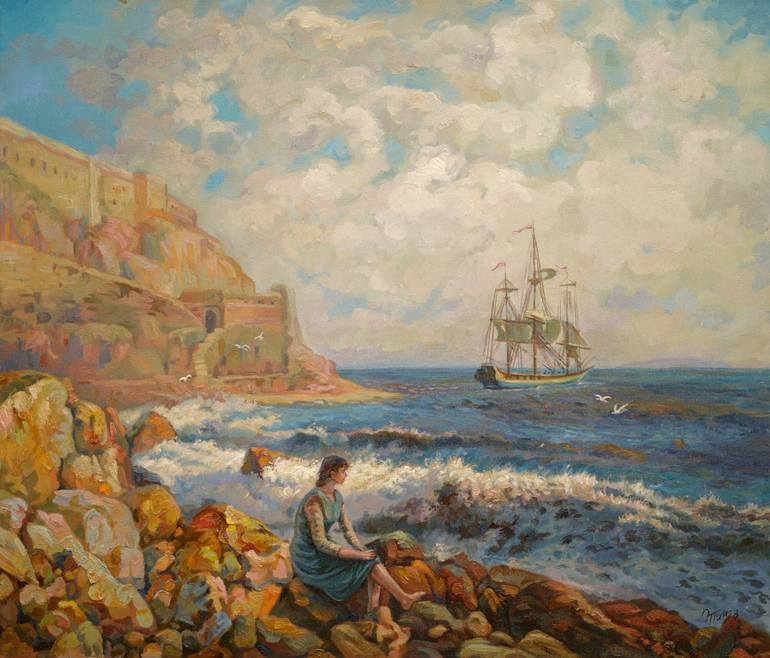
"The Fisherman’s Widow" stands as a testament to the power of art to illuminate the human experience. Through its evocative imagery, masterful composition, and poignant symbolism, the painting transcends time and culture, offering a timeless glimpse into the complexities of human emotion and the enduring resilience of the human spirit.
The Fisherman’s Widow: An In-Depth Analysis of a Timeless Masterpiece
Post a Comment for "The Fisherman's Widow Painting: An In-Depth Analysis"