Mastering the Art of Painting Moss: Achieving Realistic Textures

Table of Content
- 1 Mastering the Art of Painting Moss: Achieving Realistic Textures
- 1.1 Understanding Moss: The Foundation of Realism
- 1.2 Choosing the Right Tools: A Painter’s Arsenal
- 1.3 Layering and Blending: Building Depth and Dimension
- 1.4 Capturing the Essence of Moss: Techniques for Realistic Textures
- 1.5 Inspiration from Nature: Studying Moss in Detail
- 1.6 Painting Moss: A Step-by-Step Guide
- 1.7 Tips for Success: Mastering the Art of Painting Moss
- 1.8 Conclusion: Embracing the Beauty of Moss in Your Art
Moss, with its delicate, verdant beauty, adds a touch of nature’s magic to any artwork. Capturing its intricate textures and subtle variations in color can be a rewarding challenge. This comprehensive guide will equip you with the knowledge and techniques to paint moss realistically, transforming your canvas into a living, breathing landscape.
Understanding Moss: The Foundation of Realism
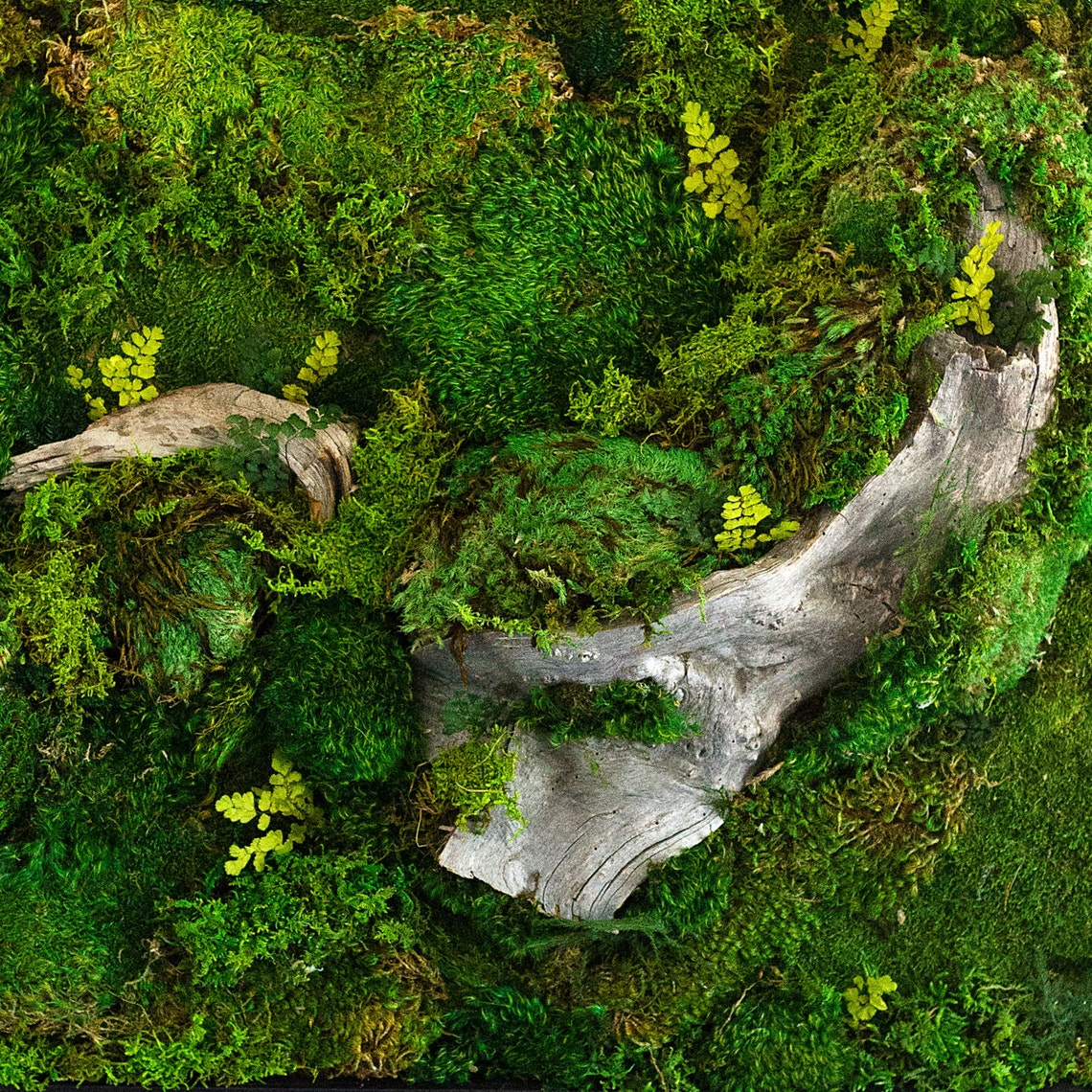
Before we delve into the technical aspects of painting moss, it’s crucial to understand the subject itself. Moss, a non-vascular plant, thrives in damp, shady environments. Its unique characteristics are what make it so captivating to paint:
- Texture: Moss exhibits a range of textures, from velvety softness to coarse, spiky forms. This diversity arises from the varying structures of its leaves and stems.
- Color: While commonly perceived as green, moss displays a spectrum of hues, ranging from deep emerald to pale lime and even hints of yellow or brown. These variations depend on the species, age, and environmental conditions.
- Growth Patterns: Moss grows in clusters, often forming intricate patterns and shapes. It may drape over rocks, cling to tree trunks, or spread across the forest floor.
Choosing the Right Tools: A Painter’s Arsenal
The right tools are essential for achieving realistic moss textures. Consider these options:

Brushes:
- Flat brushes: Ideal for laying down broad areas of color and creating the overall form of the moss. Choose brushes with soft bristles, such as sable or synthetic blends, for a smooth application.
- Round brushes: Excellent for detailing and creating individual moss strands. Opt for brushes with fine points for delicate work.
- Fan brushes: Useful for blending colors and creating subtle transitions in texture.
- Sponge brushes: Great for applying washes of color and achieving a more textural effect.

Paints:
- Acrylics: Acrylics offer versatility and quick drying times, making them suitable for both beginners and experienced artists. Their opaque nature allows for layering and achieving depth in color.
- Watercolors: Watercolors provide a soft, ethereal quality and blend beautifully for subtle transitions. However, their transparency requires careful layering and planning.
- Gouache: Gouache, a type of opaque watercolor, offers the best of both worlds, combining the vibrancy of acrylics with the luminosity of watercolors.
Other Materials:
- Palette knife: Useful for applying paint thickly, creating texture, and scraping away excess paint.
- Masking fluid: Protects areas of the canvas from paint, allowing for precise detailing and creating interesting patterns.
- Water spray bottle: Helps to dilute paint and create a more fluid application, especially for watercolor techniques.
- Paper towels: For cleaning brushes and removing excess paint.
Layering and Blending: Building Depth and Dimension
Creating realistic moss textures requires a layered approach. Start with a base layer of color to establish the overall shape and form of the moss. Then, gradually add subsequent layers to build depth, texture, and dimension.
Base Layer:
- Color Choice: Choose a base color that reflects the overall tone of the moss. This could be a deep green, a muted olive, or even a light yellow for sun-drenched moss.
- Application: Apply the base layer using a flat brush with long, sweeping strokes. The strokes should follow the natural contours of the moss, mimicking its growth patterns.
Mid-Layer:
- Color Variations: Introduce subtle variations in color within the base layer. This can be achieved by adding a touch of a lighter green or a hint of yellow for highlights.
- Texture: Use a round brush to create individual moss strands. Start with short, broken strokes, gradually lengthening them to create a sense of depth.
Top Layer:
- Detailing: Use a fine brush to add further detail to the moss, highlighting individual leaves and stems.
- Highlights: Add white or a light yellow to create highlights, mimicking the effect of sunlight on the moss.
- Shadows: Use a darker green or brown to create shadows, adding depth and dimension.
Blending:
- Wet-on-Wet Technique: If using watercolors or gouache, apply wet paint to wet paint, allowing the colors to blend naturally.
- Dry-Brush Technique: Use a dry brush loaded with a small amount of paint to create a textured effect. This technique is particularly effective for creating the rough texture of some moss types.
- Sponge Blending: Use a sponge brush to blend colors and create a soft, diffused effect.
Capturing the Essence of Moss: Techniques for Realistic Textures
Here are some specific techniques for achieving realistic moss textures:
1. Impasto Technique:
- Thick Application: Apply paint thickly using a palette knife, creating a raised texture that mimics the uneven surface of moss.
- Color Blending: Blend colors directly on the canvas, creating a natural transition between hues.
- Textural Variations: Create a variety of textures by varying the pressure applied with the palette knife and the amount of paint used.
2. Stippling Technique:
- Dotted Application: Create small dots of paint using a round brush, building up layers to create a textured effect.
- Color Variation: Use different colors for the dots, creating a sense of depth and variation.
- Pattern Creation: Arrange the dots in patterns that mimic the natural growth of moss.
3. Scumbling Technique:
- Dry Brush: Use a dry brush loaded with a small amount of paint to create a rough, textured effect.
- Color Layering: Layer colors over each other, creating a sense of depth and variation.
- Highlighting: Use a light color to highlight the edges of the moss, creating a sense of light and shadow.
4. Spattering Technique:
- Random Application: Use a toothbrush or a splatter brush to create random dots of paint, mimicking the natural growth of moss.
- Color Blending: Use a mixture of colors to create a natural, blended effect.
- Texture Variation: Adjust the size and density of the splatter to create different textural effects.
Inspiration from Nature: Studying Moss in Detail
Observing moss in its natural environment is crucial for capturing its essence. Take the time to study its different forms, colors, and growth patterns. Consider these aspects:
- Species Variation: Different species of moss have distinct characteristics. Some are delicate and feathery, while others are coarse and spiky.
- Light and Shadow: Observe how light and shadow play on the moss, creating variations in color and texture.
- Growth Patterns: Note the way moss grows in clusters, often forming intricate patterns and shapes.
Painting Moss: A Step-by-Step Guide
Here’s a step-by-step guide to painting moss realistically:
1. Preparation:
- Choose your canvas: Select a canvas that is appropriate for the size and scope of your painting.
- Prepare your paint: Mix your paints according to your desired colors and consistency.
- Gather your tools: Ensure you have all the necessary brushes, palette knives, and other materials.
2. Sketching:
- Light Sketch: Lightly sketch the overall shape and form of the moss on your canvas.
- Outline: Use a thin brush to outline the edges of the moss, defining its boundaries.
3. Base Layer:
- Color Choice: Choose a base color that reflects the overall tone of the moss.
- Application: Apply the base layer using a flat brush with long, sweeping strokes, following the natural contours of the moss.
4. Mid-Layer:
- Color Variations: Introduce subtle variations in color within the base layer, using a round brush to create individual moss strands.
- Texture: Start with short, broken strokes, gradually lengthening them to create a sense of depth.
5. Top Layer:
- Detailing: Use a fine brush to add further detail to the moss, highlighting individual leaves and stems.
- Highlights: Add white or a light yellow to create highlights, mimicking the effect of sunlight on the moss.
- Shadows: Use a darker green or brown to create shadows, adding depth and dimension.
6. Blending:
- Wet-on-Wet Technique: If using watercolors or gouache, apply wet paint to wet paint, allowing the colors to blend naturally.
- Dry-Brush Technique: Use a dry brush loaded with a small amount of paint to create a textured effect.
- Sponge Blending: Use a sponge brush to blend colors and create a soft, diffused effect.
7. Final Touches:
- Adding Details: Add any additional details, such as rocks, leaves, or other elements, to enhance the composition.
- Finishing Touches: Apply a final layer of glaze or varnish to protect the painting and enhance its colors.
Tips for Success: Mastering the Art of Painting Moss
- Practice makes perfect: The more you paint moss, the better you will become at capturing its unique textures and variations.
- Observe nature: Take the time to study moss in its natural environment, paying attention to its growth patterns, colors, and textures.
- Experiment with techniques: Try different techniques and find what works best for you.
- Don’t be afraid to make mistakes: Mistakes are part of the learning process. Embrace them and learn from them.
- Have fun: Painting should be enjoyable. Relax and let your creativity flow.
Conclusion: Embracing the Beauty of Moss in Your Art
Painting moss realistically is a rewarding challenge that allows you to capture the beauty and complexity of nature. By understanding its unique characteristics, choosing the right tools, and mastering various techniques, you can create stunning works of art that bring the magic of moss to life. Remember, practice, observation, and experimentation are key to achieving realistic textures and capturing the essence of this fascinating plant. Let your imagination soar and create masterpieces that celebrate the beauty of moss.
Mastering the Art of Painting Moss: Achieving Realistic Textures
Post a Comment for "How To Paint Moss: Creating Realistic Textures"