Essential Paint Brushes and Pencils for Every Artist: A Comprehensive Guide

Table of Content
Navigating the vast world of art supplies can be overwhelming, especially for aspiring artists. Choosing the right tools is crucial for achieving your artistic vision. This comprehensive guide will equip you with the knowledge to select the essential paint brushes and pencils for your creative journey, regardless of your skill level or preferred medium.
Paint Brushes: A World of Possibilities
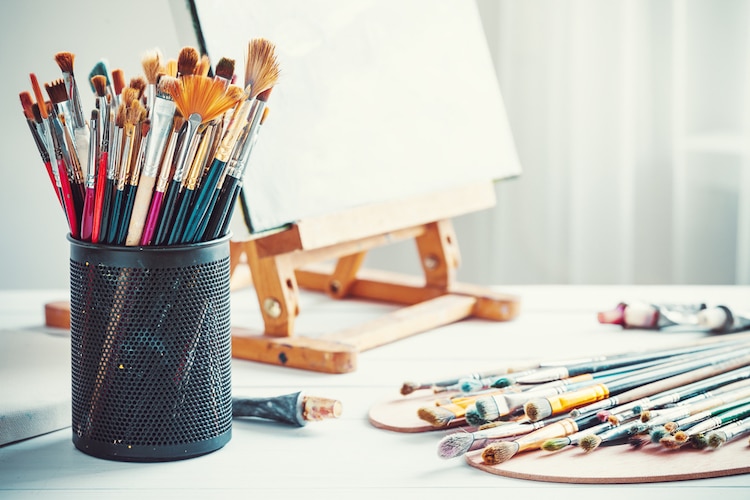
Paint brushes are the backbone of many artistic disciplines, from oil painting to watercolor and acrylics. Each brush type is designed to achieve specific effects, and understanding these differences is essential for maximizing your artistic potential.
1. Natural Hair Brushes:
Sable: Renowned for their exceptional softness, sable brushes are prized by artists for their ability to create smooth, delicate strokes and fine details. They hold a lot of paint, making them ideal for blending and layering. Sable brushes are often used for watercolor, gouache, and oil painting.
Badger: Similar to sable brushes, badger brushes offer excellent softness and paint retention. They are slightly more affordable than sable, making them a popular choice for artists on a budget. Badger brushes are versatile and suitable for a wide range of painting techniques.
Squirrel: Known for their excellent springiness and ability to create fine lines, squirrel brushes are often used for watercolor and gouache. They are also ideal for dry brushing techniques, creating textured effects.

Ox: These brushes are more affordable than sable or badger, offering a good balance of softness and durability. They are suitable for a variety of painting techniques, including watercolor, acrylics, and oils.
2. Synthetic Hair Brushes:
Nylon: Nylon brushes are durable, affordable, and easy to clean. They are a popular choice for acrylics and gouache, as they can withstand the harshness of these paints. Nylon brushes are also available in a wide range of shapes and sizes, making them versatile for various painting techniques.
Polyester: Polyester brushes offer excellent paint retention and are known for their smooth, even application. They are suitable for a variety of mediums, including watercolor, acrylics, and oils.
Polypropylene: These brushes are highly durable and resistant to wear and tear. They are often used for heavy-duty applications, such as impasto painting or working with thick paints.
3. Brush Shapes and Sizes:
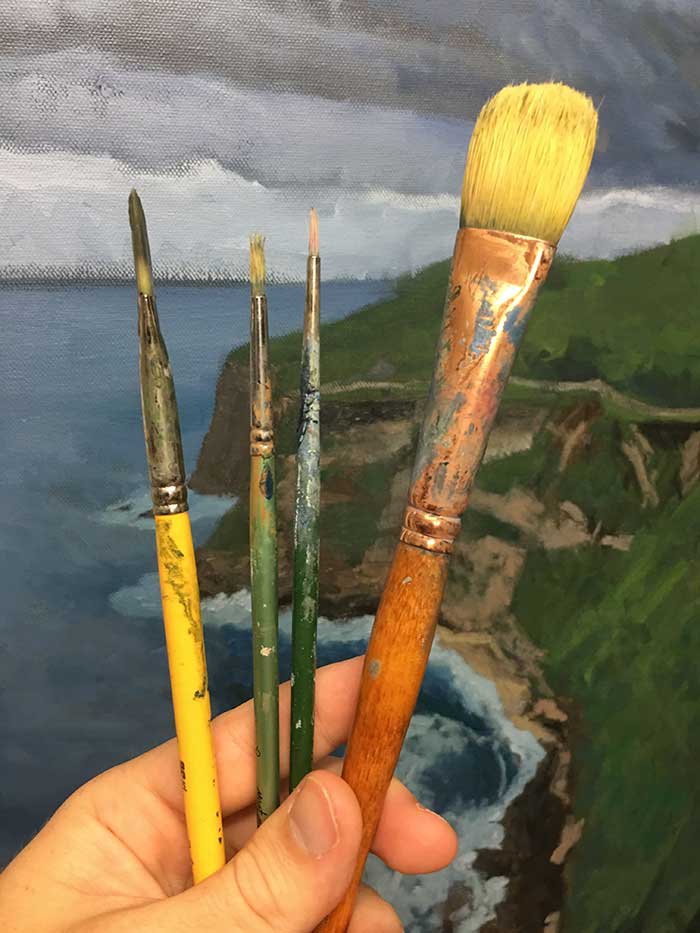
Round: A versatile brush shape, round brushes are ideal for creating fine lines, details, and blending. They come in various sizes, allowing you to control the width of your strokes.
Flat: Flat brushes offer excellent coverage and are perfect for filling large areas, creating smooth washes, and achieving crisp edges. They are available in various widths, from thin to wide.
Filbert: This unique brush shape combines the characteristics of a round and a flat brush, offering versatility for both detail work and broad strokes. Filbert brushes are particularly popular for landscape painting.
Fan: Fan brushes are used for creating soft, textured effects, blending, and applying washes. They are also excellent for achieving delicate, feathery strokes.
Angle: Angle brushes are ideal for creating crisp lines, sharp edges, and precise details. They are particularly useful for painting architectural elements, landscapes, and still life subjects.
Liner: Liner brushes have long, thin bristles, making them perfect for creating fine lines, delicate details, and precise lettering.
4. Choosing the Right Brushes:
When selecting paint brushes, consider the following factors:
Medium: Different brushes are designed for specific painting mediums. For example, sable brushes are ideal for watercolor, while nylon brushes are well-suited for acrylics.
Technique: The type of brush you choose will depend on the desired effect. For example, a round brush is perfect for fine details, while a flat brush is ideal for filling large areas.
Budget: Paint brushes come in a wide range of prices, from affordable synthetic brushes to high-quality natural hair brushes. Choose brushes that fit your budget and artistic needs.
Quality: Invest in high-quality brushes that are made from durable materials and have well-crafted bristles. Good quality brushes will last longer and provide better results.
Pencils: Drawing Precision and Expression
Pencils are the cornerstone of drawing, offering a wide range of possibilities for creating different textures, values, and lines. Understanding the different pencil grades is essential for achieving the desired level of detail and expression in your drawings.
1. Pencil Hardness and Softness:
H (Hard): Hard pencils produce light, pale lines and are ideal for creating fine details, precise outlines, and delicate shading. Higher H numbers indicate a harder pencil, resulting in lighter lines.
B (Soft): Soft pencils produce dark, rich lines and are perfect for achieving bold strokes, strong contrasts, and expressive shading. Higher B numbers indicate a softer pencil, resulting in darker lines.
HB (Medium): This is a standard pencil grade, offering a balance between hardness and softness. It is a versatile choice for general drawing and sketching.
2. Pencil Grades and Their Applications:
9H – 8H: These pencils are extremely hard and produce very light lines. They are often used for technical drawing, architectural sketching, and creating delicate details.
7H – 6H: These pencils are still hard but produce slightly darker lines than the 9H and 8H grades. They are suitable for technical drawing, sketching, and creating precise outlines.
5H – 4H: These pencils are less hard than the previous grades and produce slightly darker lines. They are often used for sketching, creating subtle shading, and outlining details.
3H – 2H: These pencils are considered medium hard and produce lines that are darker than the previous grades. They are versatile for sketching, outlining, and creating mid-tone values.
H – F: These pencils are considered medium and produce lines that are darker than the H grades but lighter than the B grades. They are versatile for sketching, outlining, and creating subtle shading.
HB: This is the standard pencil grade, offering a balance between hardness and softness. It is a versatile choice for general drawing and sketching.
B – 2B: These pencils are considered medium soft and produce lines that are darker than HB. They are suitable for sketching, creating subtle shading, and outlining details.
3B – 4B: These pencils are considered soft and produce lines that are darker than the previous grades. They are often used for sketching, creating strong contrasts, and achieving bold strokes.
5B – 6B: These pencils are very soft and produce dark, rich lines. They are ideal for achieving expressive shading, strong contrasts, and creating dramatic effects.
7B – 8B: These pencils are extremely soft and produce the darkest lines. They are often used for creating bold strokes, strong contrasts, and dramatic effects.
9B: This pencil is the softest grade and produces the darkest lines. It is ideal for creating intense shading, bold strokes, and dramatic effects.
3. Other Pencil Types:
Colored Pencils: Colored pencils are available in a wide range of colors and shades, offering endless possibilities for creating vibrant and detailed drawings.
Mechanical Pencils: Mechanical pencils are equipped with a lead refill mechanism, eliminating the need for sharpening. They are available in various lead grades and are ideal for technical drawing, sketching, and creating fine lines.
Watercolor Pencils: Watercolor pencils combine the precision of a pencil with the versatility of watercolor. They can be used dry for sketching or wet for creating watercolor washes.
4. Choosing the Right Pencils:
When selecting pencils for your drawing needs, consider the following factors:
Technique: The pencil grade you choose will depend on the desired effect. For example, a hard pencil is ideal for fine details, while a soft pencil is perfect for bold strokes.
Subject Matter: The type of pencil you use will also depend on the subject matter. For example, a hard pencil is often used for technical drawing, while a soft pencil is suitable for portraiture.
Paper Type: The texture of the paper will affect how the pencil lays down. Smooth paper will produce a smoother line, while textured paper will create a more textured effect.
Budget: Pencils come in a wide range of prices, from affordable standard pencils to high-quality artist-grade pencils. Choose pencils that fit your budget and artistic needs.
Quality: Invest in high-quality pencils that are made from durable materials and have consistent lead quality. Good quality pencils will provide better results and last longer.
Essential Paint Brushes and Pencils for Every Artist: A Summary
This comprehensive guide has equipped you with the knowledge to select the essential paint brushes and pencils for your artistic journey. By understanding the different types, shapes, and grades of these tools, you can unlock your creative potential and achieve your artistic vision.
Key Takeaways:
- Paint Brushes: Choose brushes based on the painting medium, desired effect, budget, and quality.
- Pencils: Select pencils based on the desired hardness, softness, and subject matter.
- Invest in Quality: High-quality brushes and pencils will provide better results and last longer.
- Experiment: Don’t be afraid to try different tools and techniques to discover your own artistic style.
Remember, the best tools are the ones that inspire you to create. So, explore, experiment, and have fun with your artistic journey!
Pricing Table:
| Tool Type | Brand | Model | Price | Description |
|---|---|---|---|---|
| Paint Brush | Winsor & Newton | Series 7 Round Brush | $15 | A high-quality sable brush, perfect for fine details and blending. |
| Paint Brush | Princeton Velvetouch | Series 3050 Flat Brush | $10 | A durable synthetic brush, ideal for filling large areas and creating smooth washes. |
| Pencil | Faber-Castell | 9000 Graphite Pencil | $5 | A high-quality graphite pencil, available in a range of grades for various drawing techniques. |
| Pencil | Staedtler | Mars Lumograph Pencil | $3 | An affordable graphite pencil, perfect for general drawing and sketching. |
Diagrams:
Paint Brush Shapes:
[Diagram of round, flat, filbert, fan, and angle brush shapes]
Pencil Grades:
[Diagram illustrating the range of pencil grades from 9H to 9B]
Remember, this is just a starting point. There are countless other tools and techniques available to explore. So, continue to learn, experiment, and enjoy the creative journey!

Essential Paint Brushes and Pencils for Every Artist: A Comprehensive Guide
Post a Comment for "Essential Paint Brushes And Pencils For Every Artist"