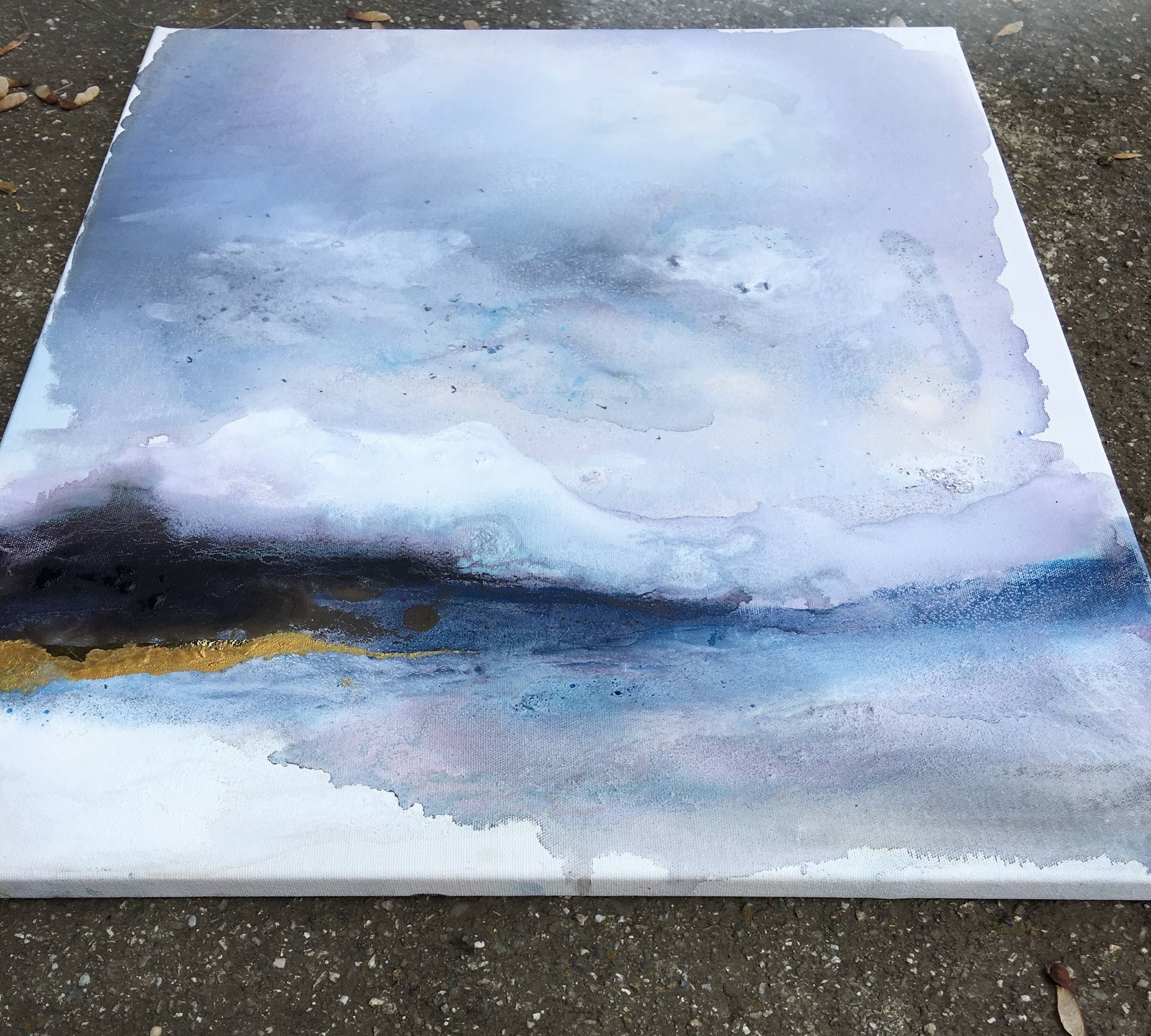
Dusty Blue Acrylic Paint: Embracing Soft Tones in Art
Introduction
Dusty blue acrylic paint has emerged as a versatile and captivating medium in the world of art. Its subtle and ethereal hue evokes a sense of tranquility and sophistication, making it a popular choice for a wide range of artistic endeavors. This comprehensive guide delves into the unique characteristics, applications, and techniques associated with dusty blue acrylic paint, empowering artists to harness its full potential.
Understanding Dusty Blue Acrylic Paint
Dusty blue acrylic paint is a water-based medium composed of pigments suspended in an acrylic resin binder. Its distinctive color is achieved by blending blue, gray, and white pigments, resulting in a muted and desaturated shade. The opacity of dusty blue acrylic paint varies depending on the brand and formulation, ranging from semi-transparent to opaque.
Applications of Dusty Blue Acrylic Paint
The versatility of dusty blue acrylic paint extends across various artistic disciplines, including:
- Painting: Dusty blue acrylic paint is ideal for creating atmospheric landscapes, seascapes, and portraits. Its soft tones lend depth and realism to subjects, capturing the subtle nuances of light and shadow.
- Mixed Media: Dusty blue acrylic paint can be combined with other media such as watercolor, ink, and collage to create unique and expressive works of art. Its ability to blend seamlessly with other colors makes it a versatile addition to mixed media projects.
- Decorative Arts: Dusty blue acrylic paint is frequently used in decorative arts, such as furniture painting, home décor, and textile design. Its muted hue adds a touch of elegance and sophistication to any space.
Techniques for Using Dusty Blue Acrylic Paint
To fully exploit the potential of dusty blue acrylic paint, artists can employ various techniques:
- Layering and Glazing: Dusty blue acrylic paint can be layered and glazed to create depth and luminosity. By applying thin, transparent layers, artists can build up color and create subtle variations in tone.
- Dry Brushing: Dry brushing involves applying paint to a dry brush and lightly brushing it over the surface. This technique creates a textured and weathered effect, ideal for depicting aging or weathered surfaces.
- Washes: Dusty blue acrylic paint can be diluted with water to create washes, which can be used to add subtle color and depth to backgrounds or to create atmospheric effects.
Recommended Brands and Products
Several reputable brands offer high-quality dusty blue acrylic paints, including:
| Brand | Product |
|---|---|
| Golden | Heavy Body Acrylic – Ultramarine Blue (PB29) |
| Liquitex | Basics Acrylic – Cerulean Blue Hue (PB15:3) |
| Winsor & Newton | Galeria Acrylic – Blue Green Shade (PB15:3) |
| Matisse | Acrylic – Cobalt Teal (PB28) |
| Amsterdam | Standard Series Acrylic – Phthalo Blue (PB15:3) |
Conclusion
Dusty blue acrylic paint is a versatile and evocative medium that invites artists to explore the realm of soft and ethereal tones. Its unique characteristics and wide range of applications make it a valuable addition to any artist’s palette. By embracing the techniques outlined in this guide, artists can harness the full potential of dusty blue acrylic paint and create captivating and sophisticated works of art.
Post a Comment for "Dusty Blue Acrylic Paint: Embracing Soft Tones In Art"