Unleash Your Inner Explorer: A Comprehensive Guide to Creating a Stunning Painted World Map
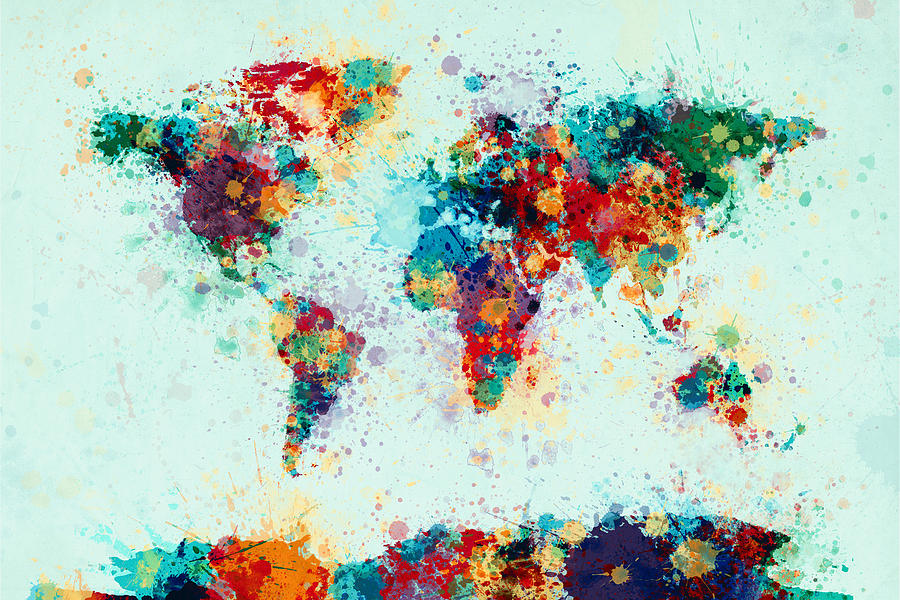
Table of Content
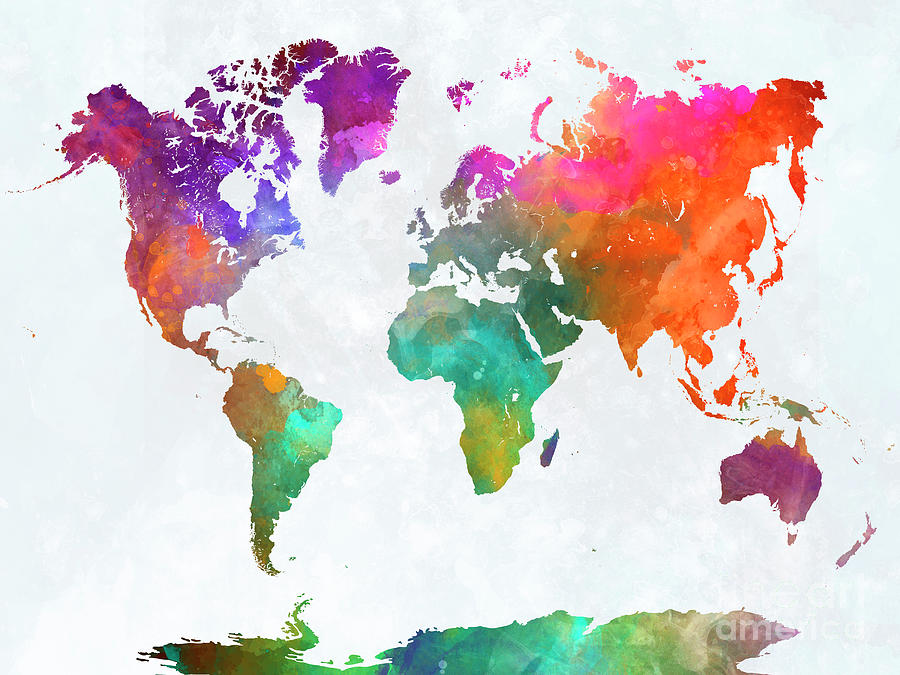
Embark on a creative journey and transform a blank canvas into a vibrant, personalized world map, a testament to your wanderlust and artistic flair.
I. The Canvas: Your Foundation for Exploration
1. Choosing the Right Canvas:
- Size: The size of your canvas will dictate the scale and level of detail you can achieve. A larger canvas offers more room for intricate designs and fine details, while a smaller canvas provides a more intimate and focused experience.
- Material: Consider the surface of your canvas.
- Traditional Canvas: A classic choice, offering a textured surface that can create interesting effects with paint.
- Wood Panels: Provide a smooth, durable surface that’s ideal for intricate details and layering.
- Paper: Offers a versatile option, allowing for various painting techniques and even the use of watercolors.

- Shape: While rectangular canvases are the most common, consider exploring alternative shapes like circles or irregular forms to add a unique touch.
2. Priming Your Canvas:
- Purpose: Priming your canvas creates a smooth, uniform surface that enhances paint adhesion and prevents colors from bleeding.
- Types of Primers:
- Acrylic Primer: A versatile choice, suitable for most painting mediums.
- Oil Primer: Offers a more traditional approach, ideal for oil paints.
- Gesso: A white, chalk-based primer that creates a textured surface, ideal for mixed media techniques.


II. The Colors: A Palette of Adventures
1. Selecting Your Color Palette:
- Inspiration: Draw inspiration from your travel experiences, favorite destinations, or the overall mood you wish to evoke.
- Color Theory: Understand the basics of color theory to create harmonious and visually appealing combinations.
- Analogous Colors: Colors that sit next to each other on the color wheel, creating a sense of harmony and unity.
- Complementary Colors: Colors opposite each other on the color wheel, offering high contrast and vibrancy.
- Triadic Colors: Three colors evenly spaced on the color wheel, creating a balanced and visually striking composition.
- Personal Preference: Ultimately, choose colors that resonate with you and reflect your unique style.
2. Choosing the Right Paints:
- Acrylic Paints: Water-based, quick-drying, and easy to use, making them ideal for beginners and experienced artists alike.
- Oil Paints: Offer a rich, vibrant color and a longer drying time, allowing for blending and layering.
- Watercolors: Transparent and delicate, ideal for creating soft washes and ethereal effects.
- Gouache Paints: Opaque watercolors that offer the versatility of watercolors with the coverage of acrylics.
III. The Map: Your Guide to Artistic Exploration
1. Finding the Perfect World Map Image:
- Online Resources: Explore online platforms like Google Images, Wikimedia Commons, or specialized map websites for high-resolution, printable world maps.
- Vintage Maps: Add a touch of nostalgia and character with vintage maps, available through antique shops, online marketplaces, or even your own family archives.
- Custom Maps: Create a unique and personalized map by designing your own using mapping software or online map generators.
2. Transferring the Map to Your Canvas:
- Tracing: Use tracing paper to transfer the map onto your canvas with precision.
- Projection: Project the map image onto your canvas using a projector for a larger-scale transfer.
- Grid Method: Divide your canvas and the map image into a grid, then transfer the corresponding sections to your canvas.
IV. The Painting Process: Bringing Your World to Life
1. Laying Down the Base:
- Background Color: Choose a base color that complements your chosen color palette and provides a cohesive foundation for your map.
- Ocean and Land Masses: Use a light blue or green to represent the ocean and a muted brown or green for the land masses.
- Continents: Paint each continent using distinct colors or shades to differentiate them visually.
2. Adding Details:
- Borders and Coastlines: Define the boundaries of countries and continents with precise lines using a fine brush or a ruler.
- Major Cities and Landmarks: Mark significant cities and landmarks with small dots, symbols, or even miniature paintings.
- Water Features: Add rivers, lakes, and seas with varying shades of blue, green, or gray to create depth and dimension.
3. Adding Personal Touches:
- Travel Memories: Incorporate personal touches like painted flags, small drawings of iconic landmarks, or handwritten notes about your travels.
- Cultural Elements: Represent different cultures with symbols, patterns, or miniature paintings depicting local traditions.
- Artistic Expression: Don’t be afraid to experiment with different painting techniques, textures, and embellishments to add your unique artistic flair.
V. Finishing Touches: Elevating Your Masterpiece
1. Varnishing:
- Protection: Apply a sealant or varnish to protect your painted map from dust, moisture, and fading.
- Types of Varnishes:
- Acrylic Varnish: Water-based, quick-drying, and easy to apply.
- Oil Varnish: Offers a durable, high-gloss finish.
- Matte Varnish: Provides a subtle, non-reflective finish.
2. Framing:
- Choosing a Frame: Select a frame that complements the style and colors of your painted map.
- Framing Options:
- Traditional Frames: Offer a classic and elegant look.
- Modern Frames: Feature sleek lines and minimalist designs.
- Custom Frames: Create a truly personalized piece with a frame designed specifically for your map.
3. Displaying Your Creation:
- Wall Mount: Hang your framed world map on a prominent wall in your home or office.
- Easel: Display your map on an easel for a more dynamic and versatile presentation.
- Desk Decor: Place your map on your desk as a constant reminder of your wanderlust and creative spirit.
VI. Tips for Success:
- Patience: Creating a painted world map is a process that requires time and patience.
- Practice: Don’t be afraid to experiment and make mistakes. Practice makes perfect.
- Inspiration: Draw inspiration from other artists, travel blogs, and online resources.
- Personalization: Add your own unique touches to create a truly personalized masterpiece.
VII. Beyond the Canvas: Expanding Your Artistic Horizons
- Mixed Media Techniques: Incorporate different materials like fabric, paper, or beads to add texture and dimension.
- 3D Elements: Create a pop-up world map with raised continents and landmarks.
- Interactive Maps: Add interactive elements like buttons or touchscreens to explore different locations.
- Collaborative Projects: Work with friends or family to create a collaborative world map that celebrates shared experiences and memories.
VIII. Conclusion:
Creating a painted world map is a journey of artistic expression, a celebration of your wanderlust, and a testament to your creativity. Embrace the process, experiment with different techniques, and let your imagination guide you as you transform a blank canvas into a vibrant and personalized masterpiece.
Unleash Your Inner Explorer: A Comprehensive Guide to Creating a Stunning Painted World Map
Post a Comment for "Creating A Stunning Painted World Map"