White Milk Paint: Traditional Look with Modern Benefits

Table of Content
- 1 White Milk Paint: Traditional Look with Modern Benefits
- 1.1 A Glimpse into History: The Origins of Milk Paint
- 1.2 Understanding the Essence of White Milk Paint
- 1.3 The Allure of White Milk Paint: Benefits and Advantages
- 1.4 Unveiling the Secrets of Application: Techniques and Tips
- 1.5 Exploring the Creative Potential: Beyond the Basic White
- 1.6 White Milk Paint: A Timeless Choice for Modern Projects
- 1.7 Choosing the Right White Milk Paint: A Comprehensive Guide
- 1.8 Pricing Table: A Comparison of Popular White Milk Paint Brands
- 1.9 Conclusion: Embrace the Timeless Charm of White Milk Paint
White milk paint, a timeless finish with roots in the past, is experiencing a resurgence in popularity. Its unique blend of traditional charm and modern practicality makes it an ideal choice for a wide range of projects, from furniture restoration to farmhouse-style decor. This article delves into the intricacies of white milk paint, exploring its history, characteristics, application techniques, and the advantages it offers over conventional paints.
A Glimpse into History: The Origins of Milk Paint
Milk paint, as the name suggests, utilizes milk protein as a primary binder. Its origins trace back centuries, with evidence of its use dating back to ancient Egypt and Greece. In the 18th and 19th centuries, milk paint reigned supreme in North America, favored for its affordability, durability, and ability to create a distinctive, slightly textured finish.
The simplicity of its ingredients – milk, lime, pigments, and water – made it readily accessible, particularly in rural communities. The absence of volatile organic compounds (VOCs) also contributed to its popularity, making it a safe and environmentally friendly option.
Understanding the Essence of White Milk Paint
White milk paint, a versatile and captivating finish, embodies the essence of traditional craftsmanship. Its distinctive qualities stem from its unique composition:
- Milk Protein: The primary binder in milk paint, milk protein, acts as a natural adhesive, binding the pigments and creating a durable film. As the paint dries, the milk protein coagulates, forming a unique, slightly textured surface.
- Lime: Lime, an alkaline substance, helps to stabilize the milk protein and enhances the paint’s adhesion to various surfaces.
- Pigments: Natural or synthetic pigments are added to impart color. White milk paint, as its name suggests, is primarily composed of white pigments, creating a bright, clean canvas for further embellishment.
- Water: Water acts as a solvent, allowing the ingredients to blend seamlessly and facilitating application.
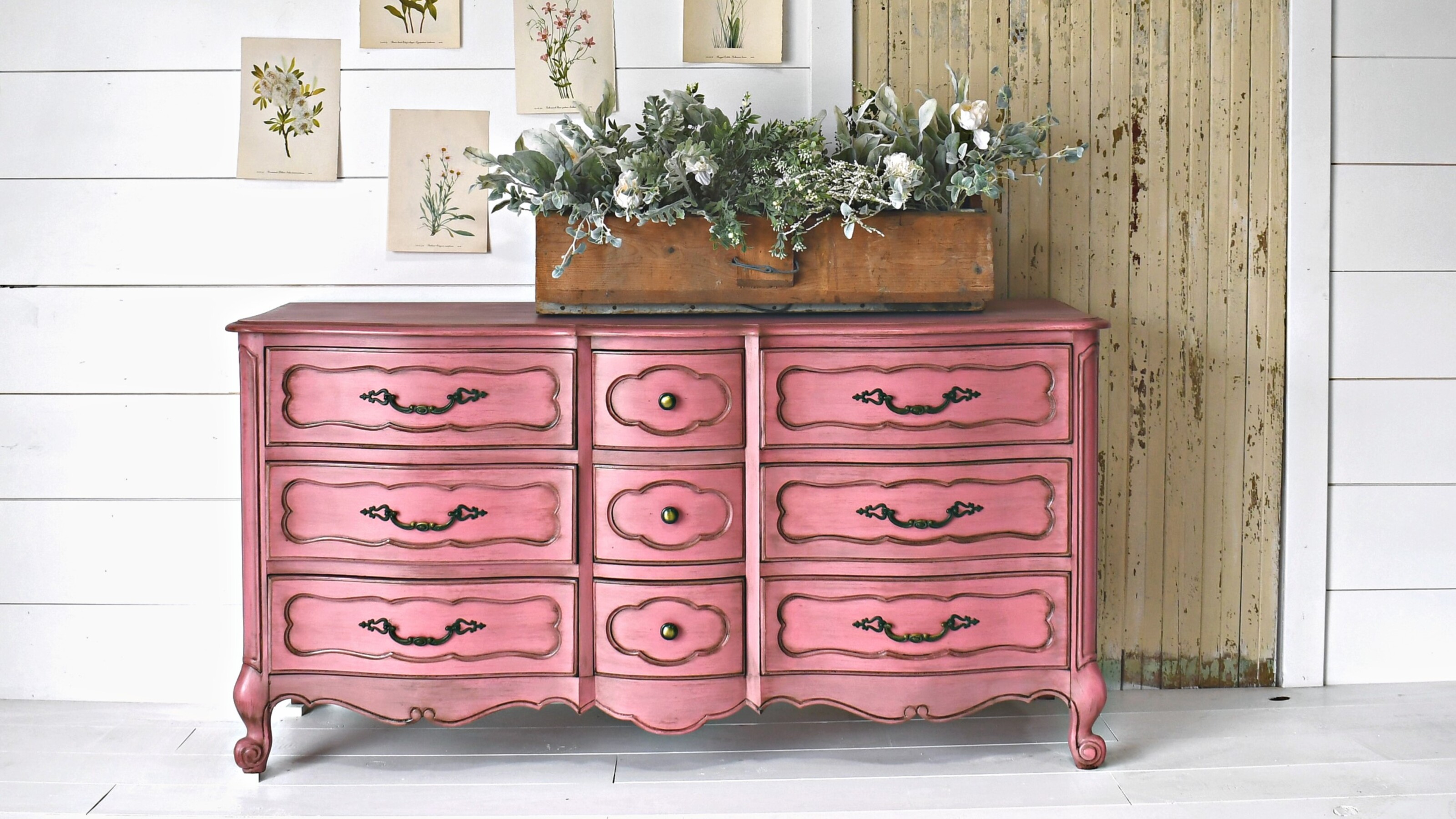
The Allure of White Milk Paint: Benefits and Advantages
White milk paint offers a captivating blend of aesthetic appeal and practical benefits, making it a popular choice for diverse projects:
Aesthetic Advantages:

- Distinctive Texture: The unique coagulation process of milk protein results in a slightly textured finish, adding depth and character to surfaces. This subtle texture evokes a sense of rustic charm and adds visual interest.
- Soft, Matte Finish: White milk paint dries to a soft, matte finish, providing a gentle, unassuming aesthetic. This finish complements various design styles, from farmhouse and cottagecore to minimalist and contemporary.
- Versatile Color Options: While white milk paint is primarily known for its classic white hue, it can be tinted with a wide range of colors, allowing for customization and creative expression.

Practical Advantages:
- Environmentally Friendly: The natural ingredients and absence of VOCs make white milk paint an eco-conscious choice. It’s a safer alternative to conventional paints, particularly in enclosed spaces.
- Durable and Long-Lasting: Milk paint, despite its seemingly delicate nature, is surprisingly durable. It forms a tough, protective layer that resists chipping and cracking, making it suitable for furniture, walls, and other high-wear areas.
- Easy Application: White milk paint is relatively easy to apply, requiring minimal preparation and allowing for a forgiving application process. Its ability to adhere to various surfaces, including wood, metal, and even concrete, adds to its versatility.
Unveiling the Secrets of Application: Techniques and Tips
Mastering the art of applying white milk paint requires understanding its unique characteristics and adopting appropriate techniques:
- Preparation is Key: Proper surface preparation is crucial for achieving optimal results. Ensure the surface is clean, dry, and free of dust, grease, or wax. For porous surfaces like wood, consider sanding to create a smooth base.
- Thinning the Paint: White milk paint typically requires thinning with water to achieve the desired consistency. Start with a 1:1 ratio of paint to water and adjust as needed. Over-thinning can lead to weak adhesion, while too thick a consistency can result in brushstrokes and uneven coverage.
- Multiple Coats: White milk paint often requires multiple coats to achieve full opacity. Allow each coat to dry completely before applying the next. This allows the paint to fully cure and develop its unique texture.
- Distressing for Added Character: Distressing, a technique that involves creating intentional wear and tear, can enhance the rustic charm of white milk paint. This can be achieved using sandpaper, wire brushes, or other tools to create subtle scratches and abrasions.
- Sealing for Protection: While white milk paint is naturally durable, sealing it with a clear sealant can enhance its longevity and protect it from moisture and stains.
Exploring the Creative Potential: Beyond the Basic White
While white milk paint is a beautiful and versatile finish on its own, its versatility extends beyond the basic white. Explore these techniques to unlock its full creative potential:
- Tinting for Color: White milk paint can be tinted with various colors, creating a spectrum of hues to suit your project. Use natural pigments for a more traditional look or experiment with synthetic pigments for bolder colors.
- Layering for Depth: Create visual interest by layering different colors of milk paint. The subtle texture of milk paint allows for a beautiful interplay of colors and shades.
- Glazing for Subtlety: Glaze over white milk paint with a transparent or semi-transparent glaze to add depth and richness. This technique creates a soft, luminous effect, enhancing the beauty of the white base.
- Waxing for Protection and Sheen: Apply a natural wax, like beeswax or carnauba wax, to provide a protective layer and enhance the sheen of the white milk paint. This technique adds a subtle glow and enhances the natural beauty of the finish.
White Milk Paint: A Timeless Choice for Modern Projects
White milk paint, with its rich history and enduring charm, offers a unique blend of tradition and modernity. Its distinctive texture, soft matte finish, and environmentally friendly nature make it an ideal choice for a wide range of projects. From furniture restoration and farmhouse-style decor to creating a warm, inviting ambiance in your home, white milk paint provides a timeless solution with enduring appeal.
Choosing the Right White Milk Paint: A Comprehensive Guide
Navigating the world of white milk paint can be overwhelming, with numerous brands and formulations available. This guide helps you make an informed decision, ensuring you select the perfect white milk paint for your project:
Key Considerations:
- Project Type: Consider the intended application. Milk paint is suitable for various surfaces, including wood, metal, and even concrete. Some formulations are specifically designed for certain applications, like furniture restoration or wall painting.
- Desired Finish: Milk paint offers a unique, textured finish, but the level of texture can vary depending on the formulation and application technique. Consider your desired aesthetic and choose a paint that aligns with your vision.
- Color Options: While white milk paint is primarily known for its classic white hue, many brands offer tinted versions or allow for custom color mixing. Explore the available color options and select a shade that complements your project.
- Durability Requirements: Milk paint is generally durable, but its resistance to wear and tear can vary depending on the formulation and the application process. Consider the intended use and choose a paint that meets your durability needs.
- Environmental Considerations: Milk paint is known for its eco-friendly nature, but some formulations may contain additives that impact their environmental footprint. Choose a paint that aligns with your sustainability values.
Popular White Milk Paint Brands:
- The Real Milk Paint Company: Known for its traditional formulations and wide range of colors, The Real Milk Paint Company offers high-quality milk paint for various projects.
- Miss Mustard Seed’s Milk Paint: This brand offers a range of pre-mixed milk paint colors and a selection of complementary products, making it a popular choice for furniture restoration and farmhouse-style projects.
- General Finishes Milk Paint: General Finishes offers a user-friendly milk paint that is easy to apply and provides a durable finish.
- Old Fashioned Milk Paint: This brand offers a wide range of colors and formulations, including a line specifically designed for outdoor use.
Pricing Table: A Comparison of Popular White Milk Paint Brands
| Brand | Price per Quart | Availability | Color Options | Durability | Environmental Impact |
|---|---|---|---|---|---|
| The Real Milk Paint Company | $35-$40 | Online, select retailers | Wide range of colors, including custom mixing | High | Eco-friendly |
| Miss Mustard Seed’s Milk Paint | $30-$35 | Online, select retailers | Pre-mixed colors and custom mixing | High | Eco-friendly |
| General Finishes Milk Paint | $25-$30 | Online, select retailers | Pre-mixed colors and custom mixing | High | Eco-friendly |
| Old Fashioned Milk Paint | $20-$25 | Online, select retailers | Wide range of colors, including outdoor formulations | High | Eco-friendly |
Diagram:
[Diagram of a milk paint can with key features labeled, such as milk protein, lime, pigments, and water]Conclusion: Embrace the Timeless Charm of White Milk Paint
White milk paint, a captivating blend of tradition and modernity, offers a unique and versatile finish. Its distinctive texture, soft matte finish, and environmentally friendly nature make it an ideal choice for a wide range of projects. Whether you’re restoring furniture, creating farmhouse-style decor, or simply adding a touch of rustic charm to your home, white milk paint is a timeless solution with enduring appeal. Embrace its unique characteristics and unlock its full creative potential, transforming your projects into works of art.

White Milk Paint: Traditional Look with Modern Benefits
Post a Comment for "White Milk Paint: Traditional Look With Modern Benefits"