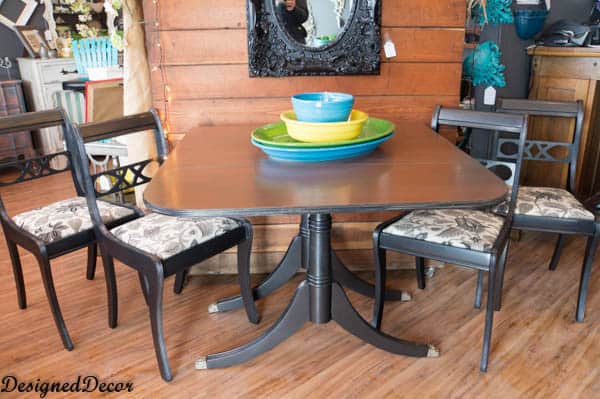
Vintage Charm: Restoring a Painted Duncan Phyfe Table
In the realm of antique furniture, Duncan Phyfe tables stand as timeless masterpieces, embodying the elegance and craftsmanship of the Federal period. Their graceful lines, intricate carvings, and rich finishes have captivated collectors and enthusiasts for centuries. However, the passage of time can take its toll on even the most well-preserved pieces, leaving behind layers of paint that obscure their original beauty.
Restoring a painted Duncan Phyfe table to its former glory is a labor of love that requires meticulous attention to detail and a deep understanding of the techniques employed by the original artisans. This comprehensive guide will provide you with the knowledge and step-by-step instructions necessary to successfully restore your cherished heirloom.
Identifying Your Duncan Phyfe Table
Before embarking on the restoration process, it is essential to accurately identify your Duncan Phyfe table. This can be done by examining the table’s design, construction, and any existing markings.
Design: Duncan Phyfe tables are typically characterized by their oval or rectangular tops, supported by a pedestal base with four legs. The legs often feature reeded or turned designs, while the base may be adorned with acanthus leaf carvings or other decorative elements.
Construction: Duncan Phyfe tables were typically made from mahogany, although other woods such as cherry and maple were also used. The joints are typically dovetailed or mortise-and-tenon, indicating high-quality craftsmanship.
Markings: Some Duncan Phyfe tables bear the maker’s mark or label. These markings can be found on the underside of the table or on a drawer. If you are fortunate enough to find a table with a maker’s mark, it can provide valuable information about the table’s age and provenance.
Assessing the Condition of Your Table
Once you have identified your Duncan Phyfe table, it is important to assess its condition. This will help you determine the extent of the restoration work required.
Paint: Examine the table’s surface carefully to determine the condition of the paint. Look for chips, scratches, or areas where the paint has worn away. If the paint is in poor condition, it will need to be removed before the table can be refinished.
Wood: Inspect the wood for any signs of damage, such as cracks, dents, or water stains. If the wood is damaged, it may need to be repaired before the table can be refinished.
Hardware: Check the condition of the table’s hardware, such as the drawer pulls and hinges. If the hardware is damaged or missing, it may need to be replaced.
Removing the Paint
If the paint on your Duncan Phyfe table is in poor condition, it will need to be removed before the table can be refinished. There are several methods for removing paint, including chemical strippers, heat guns, and sanding.
Chemical Strippers: Chemical strippers are powerful solvents that can dissolve paint. They are effective at removing multiple layers of paint, but they can also be harmful to the wood if not used properly. Always follow the manufacturer’s instructions carefully when using chemical strippers.
Heat Guns: Heat guns use hot air to soften paint, making it easier to scrape off. Heat guns are less harmful to the wood than chemical strippers, but they can be more time-consuming.
Sanding: Sanding is a more labor-intensive method of removing paint, but it is also the safest for the wood. Use a fine-grit sandpaper and sand with the grain of the wood.
Repairing the Wood
Once the paint has been removed, you may need to repair any damage to the wood. This may include filling cracks, dents, or water stains.
Filling Cracks: Cracks can be filled with wood filler or epoxy. Apply the filler to the crack and smooth it out with a putty knife. Allow the filler to dry completely before sanding it flush with the surrounding wood.
Repairing Dents: Dents can be repaired by steaming them out. Place a damp cloth over the dent and apply a hot iron to the cloth. The steam will cause the wood fibers to expand, filling in the dent.
Repairing Water Stains: Water stains can be removed by bleaching them out. Apply a solution of one part bleach to two parts water to the stain and allow it to sit for several hours. Rinse the area with clean water and allow it to dry completely.
Refinishing the Table
Once the wood has been repaired, you can refinish the table to restore its original beauty. There are several different types of finishes that can be used on Duncan Phyfe tables, including shellac, varnish, and lacquer.
Shellac: Shellac is a natural finish that is made from the resin of the lac beetle. It is a durable finish that is easy to apply and repair. Shellac is available in a variety of colors, so you can choose the one that best matches the original finish of your table.
Varnish: Varnish is a synthetic finish that is made from a combination of resins and oils. It is a more durable finish than shellac, but it can be more difficult to apply and repair. Varnish is available in a variety of finishes, including satin, semi-gloss, and gloss.
Lacquer: Lacquer is a synthetic finish that is made from a combination of resins and solvents. It is a very durable finish that is resistant to scratches and stains. Lacquer is available in a variety of finishes, including satin, semi-gloss, and gloss.
Choosing the Right Finish
The type of finish you choose for your Duncan Phyfe table will depend on your personal preferences and the intended use of the table. If you want a durable finish that is easy to maintain, shellac is a good choice. If you want a more durable finish that is resistant to scratches and stains, varnish or lacquer is a better choice.
Applying the Finish
Once you have chosen a finish, you can apply it to the table. Follow the manufacturer’s instructions carefully when applying the finish. Allow the finish to dry completely before using the table.
Enjoying Your Restored Duncan Phyfe Table
Once your Duncan Phyfe table has been restored, you can enjoy its beauty for years to come. With proper care and maintenance, your table will continue to be a cherished heirloom for generations to come.
Additional Tips for Restoring a Painted Duncan Phyfe Table
- Use a soft cloth to clean the table. Avoid using harsh chemicals or abrasive cleaners.
- Wax the table regularly to protect the finish.
- Avoid placing the table in direct sunlight or near a heat source.
- If the table is damaged, consult with a professional furniture restorer.
Conclusion
Restoring a painted Duncan Phyfe table is a rewarding experience that can bring your cherished heirloom back to life. By following the steps outlined in this guide, you can restore your table to its former glory and enjoy its beauty for years to come.
Post a Comment for "Vintage Charm: Restoring A Painted Duncan Phyfe Table"