Conjuring Spooktacular Scenes: Techniques for Painting a Haunted House
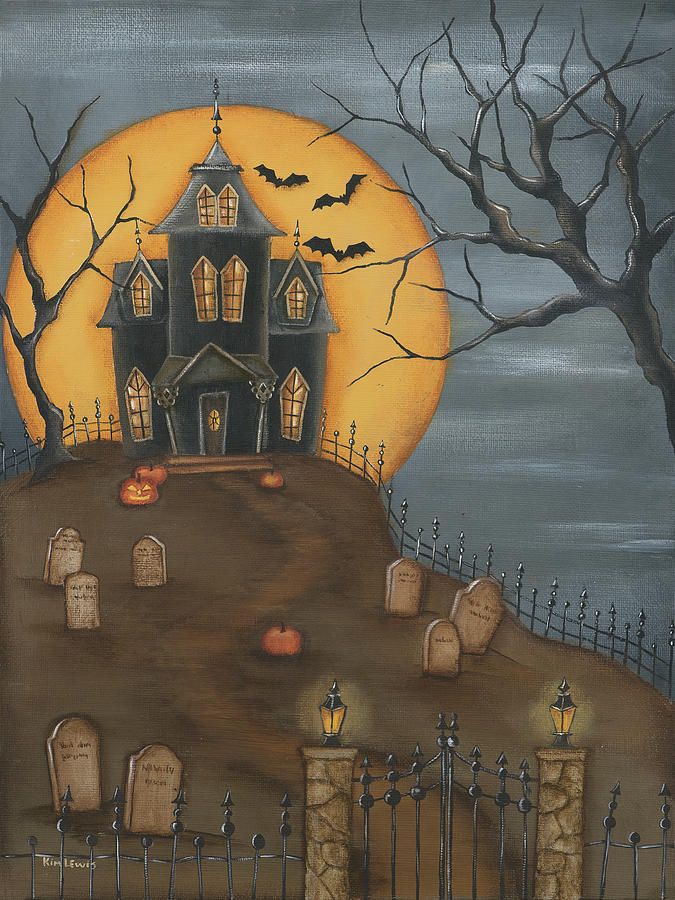
Table of Content
A haunted house is more than just a dwelling; it’s a canvas for chilling narratives and eerie atmospheres. Painting a haunted house isn’t just about applying colors; it’s about crafting an illusion of otherworldly presence, weaving a tapestry of shadows and whispers. This guide delves into techniques that transform your canvas into a spectral masterpiece, drawing viewers into a world where the boundaries between reality and the supernatural blur.
1. The Palette of the Paranormal: Choosing Colors for a Haunting Effect
Colors are the building blocks of mood. A haunting palette is characterized by its ability to evoke feelings of unease, mystery, and decay.
- Eerie Greens and Blues: Think mossy greens, deep ocean blues, and the faded hues of moonlight. These colors evoke a sense of decay, isolation, and the passage of time.
- Dusky Purples and Greys: These shades speak of shadows, secrets, and the unknown. Use them to paint shadowy corners, faded tapestries, and ghostly figures.
- Blood Red and Glowing Orange: Sparingly used, these colors can jolt the viewer with a sense of violence and danger. Think of a single bloodstain on a wall, or a flickering candle casting an orange glow.
- Black and White: These colors create a stark contrast that emphasizes the ghostly nature of the subject. They can be used to paint portraits of spectral figures, or to create a sense of depth and mystery in shadows.
2. Mastering the Art of Texture: Bringing the Haunted House to Life

Texture is the key to making your painting feel real and tangible. It adds depth and dimension, and can be used to create a variety of effects.
- Cracking and Peeling Paint: Simulate the passage of time and neglect with cracked and peeling paint. Use acrylic paint mediums or a dry brush technique to create this effect.
- Rough Brickwork: For a more rustic and aged look, use a textured brush or a sponge to create the appearance of rough brickwork.
- Cobwebs and Dust: Add a layer of realism with cobwebs and dust. Use thin acrylic paint or even real cobwebs (carefully cleaned and treated) to create this effect.
- Distressed Wood: For wooden surfaces, use a variety of techniques to create a distressed look, such as sanding, chipping, and staining.

3. Illuminating the Unseen: Mastering Light and Shadow
Light and shadow are essential tools for creating a sense of atmosphere and depth.
- Dim Lighting: Use a soft, diffused light source to create an eerie, shadowy atmosphere. This can be achieved through the use of a single light source placed behind the painting, or by painting the scene in a low-key style.
- Moonlight and Candlelight: These soft, flickering lights create an ethereal and mystical atmosphere. Use them to illuminate specific areas of the painting, creating a sense of mystery and intrigue.
- Silhouettes and Shadows: Use silhouettes and shadows to create a sense of mystery and intrigue. Silhouettes of figures can be used to suggest the presence of something unseen, while shadows can be used to create a sense of depth and foreboding.

4. The Art of Storytelling: Adding Details that Haunt the Mind
Details are the lifeblood of a haunting painting. They add depth, intrigue, and a sense of history.
- Ghostly Apparitions: Use subtle brushstrokes, fading colors, or transparent washes to create ghostly figures that seem to fade in and out of view.
- Disturbing Objects: Include objects that evoke a sense of unease or mystery. These could be a broken doll, a dusty book, a rusted key, or a torn piece of fabric.
- Hidden Messages: Use subtle details to create hidden messages or symbols that add an extra layer of intrigue. These could be cryptic symbols, faded writing on a wall, or a hidden message in the shadows.
- Personal Touches: Add personal touches to your painting that reflect the specific history of the haunted house or the story you are trying to tell. This could be a family portrait, a faded newspaper article, or a piece of jewelry.
5. Beyond the Canvas: Creating a Haunting Experience
The impact of your haunted house painting goes beyond the visual. Consider these elements to create a truly immersive experience:
- Framing: A dark, ornate frame can add to the sense of mystery and intrigue.
- Sound: Play haunting music or sound effects in the background to create a truly immersive experience.
- Lighting: Use dim lighting and strategically placed spotlights to highlight key elements of the painting.
- Location: The location where you display your painting can also enhance the effect. Consider displaying it in a dark corner, or in a room with a spooky atmosphere.
Techniques for Specific Haunted House Elements:
Painting a Ghostly Figure:
- Transparent Layers: Build up a ghostly figure using layers of transparent washes of paint. Start with a faint outline and gradually add more layers of color, allowing the underlying canvas to show through.
- Faded Colors: Use faded colors to create a sense of etherealness. Think pale blues, grays, and whites.
- Blurred Edges: Use a soft brush or a blending tool to create blurred edges, making the figure appear to be fading in and out of view.
- Light and Shadow: Use light and shadow to create a sense of depth and mystery. Highlight the figure’s edges with a subtle halo of light, or cast a shadow behind it to make it seem more real.
Painting a Haunted Room:
- Distressed Walls: Use a variety of techniques to create the appearance of distressed walls, such as cracked paint, peeling wallpaper, and dirt stains.
- Dusty Furniture: Paint furniture with a layer of dust, using a dry brush technique or a light dusting of acrylic paint.
- Shadows and Darkness: Use shadows to create a sense of mystery and foreboding. Paint dark corners and shadowy areas, and use a light source to illuminate specific areas of the room.
- Objects of Intrigue: Include objects that evoke a sense of unease or mystery, such as a broken doll, a dusty book, or a rusted key.
Painting a Graveyard Scene:
- Overgrown Gravestones: Paint overgrown gravestones with moss and vines, using a variety of green and brown shades.
- Disturbed Earth: Use a dry brush technique to create the appearance of disturbed earth around the graves.
- Fog and Mist: Use a soft brush or a blending tool to create a sense of fog or mist, adding to the eerie atmosphere.
- Moonlit Sky: Paint a moonlit sky with a pale blue background and a bright, glowing moon.
Final Thoughts:
Painting a haunted house is an art form that requires patience, creativity, and a touch of the macabre. By mastering the techniques outlined in this guide, you can create a truly haunting masterpiece that will captivate and chill viewers for years to come. Remember, the most effective haunted house paintings are those that evoke a sense of unease and mystery, leaving viewers with a lingering sense of unease long after they have looked away.
SEO Optimized Article:
Haunted House Painting: Techniques for Creating Spooky Masterpieces
Transforming a blank canvas into a chilling haunted house painting requires more than just brushstrokes; it demands a mastery of eerie atmosphere, spectral details, and unsettling textures. This guide dives deep into the techniques that elevate your art from mere images to captivating scenes of the supernatural.
1. The Color Palette of Fear: Choosing Hues that Evoke Unease
Colors are the silent language of emotion. A haunted house painting requires a palette that whispers of decay, secrets, and the unseen.
A. Ethereal Greens and Blues: Imagine mossy greens clinging to crumbling walls, deep blues mirroring the depths of a haunted ocean, and faded hues mimicking the pale glow of moonlight. These colors speak of isolation, decay, and the passage of time.
B. Dusky Purples and Grays: These shades are the embodiment of shadows, hidden secrets, and the unknown. Use them to paint shadowy corners, faded tapestries, and the ethereal outlines of ghostly figures.
C. Blood Red and Glowing Orange: Used sparingly, these colors deliver a jolt of violence and danger. Think of a single bloodstain on a wall, or a flickering candle casting an orange glow, drawing the viewer’s eye to the source of the threat.
D. Black and White: These colors create a stark contrast that emphasizes the ghostly nature of the subject. They can be used to paint portraits of spectral figures, or to create a sense of depth and mystery in shadows, highlighting the stark boundaries between the seen and the unseen.
2. Texturing the Supernatural: Adding Depth and Reality
Texture is the key to grounding your painting in the tangible world, making it feel real and lived-in. It adds dimension and can be used to create a variety of haunting effects.
A. Cracking and Peeling Paint: Simulate the passage of time and neglect with cracked and peeling paint. Use acrylic paint mediums or a dry brush technique to create this effect, emphasizing the deterioration of the haunted house.
B. Rough Brickwork: For a rustic and aged look, use a textured brush or a sponge to create the appearance of rough brickwork, suggesting a history of neglect and decay.
C. Cobwebs and Dust: Add a layer of realism with cobwebs and dust. Use thin acrylic paint or even real cobwebs (carefully cleaned and treated) to create this effect, adding a sense of abandonment and the presence of something unseen.
D. Distressed Wood: For wooden surfaces, use a variety of techniques to create a distressed look, such as sanding, chipping, and staining, highlighting the age and wear of the haunted house.
3. Illuminating the Shadows: Mastering Light and Darkness
Light and shadow are the puppeteers of atmosphere, creating depth and mood.
A. Dim Lighting: Use a soft, diffused light source to create an eerie, shadowy atmosphere. This can be achieved through the use of a single light source placed behind the painting, or by painting the scene in a low-key style, emphasizing the darkness and the unknown.
B. Moonlight and Candlelight: These soft, flickering lights create an ethereal and mystical atmosphere. Use them to illuminate specific areas of the painting, creating a sense of mystery and intrigue, drawing the viewer into the heart of the haunting.
C. Silhouettes and Shadows: Use silhouettes and shadows to create a sense of mystery and intrigue. Silhouettes of figures can be used to suggest the presence of something unseen, while shadows can be used to create a sense of depth and foreboding, hinting at the lurking presence of the supernatural.
4. Telling a Story with Details: Adding Intrigue to Your Haunted House
Details are the whispers in the darkness, the subtle touches that add depth and intrigue to a haunting painting.
A. Ghostly Apparitions: Use subtle brushstrokes, fading colors, or transparent washes to create ghostly figures that seem to fade in and out of view. These figures should be suggestive, hinting at the presence of the supernatural without being overly explicit.
B. Disturbing Objects: Include objects that evoke a sense of unease or mystery. These could be a broken doll, a dusty book, a rusted key, or a torn piece of fabric, each object hinting at a forgotten story and the presence of something sinister.
C. Hidden Messages: Use subtle details to create hidden messages or symbols that add an extra layer of intrigue. These could be cryptic symbols, faded writing on a wall, or a hidden message in the shadows, encouraging the viewer to decipher the secrets of the haunted house.
D. Personal Touches: Add personal touches to your painting that reflect the specific history of the haunted house or the story you are trying to tell. This could be a family portrait, a faded newspaper article, or a piece of jewelry, each element adding a layer of authenticity and personal history to the haunting scene.
5. Beyond the Canvas: Creating an Immersive Experience
The impact of your haunted house painting extends beyond the visual. Consider these elements to create a truly immersive experience:
A. Framing: A dark, ornate frame can add to the sense of mystery and intrigue, drawing the viewer into the world of the painting.
B. Sound: Play haunting music or sound effects in the background to create a truly immersive experience, amplifying the eerie atmosphere and drawing the viewer deeper into the story.
C. Lighting: Use dim lighting and strategically placed spotlights to highlight key elements of the painting, drawing attention to the most important details and creating a sense of drama and suspense.
D. Location: The location where you display your painting can also enhance the effect. Consider displaying it in a dark corner, or in a room with a spooky atmosphere, creating a sense of isolation and mystery.
Techniques for Specific Haunted House Elements:
Painting a Ghostly Figure:
- Transparent Layers: Build up a ghostly figure using layers of transparent washes of paint. Start with a faint outline and gradually add more layers of color, allowing the underlying canvas to show through, creating a sense of etherealness and fading.
- Faded Colors: Use faded colors to create a sense of etherealness. Think pale blues, grays, and whites, hinting at the spectral nature of the figure.
- Blurred Edges: Use a soft brush or a blending tool to create blurred edges, making the figure appear to be fading in and out of view, adding to the sense of uncertainty and the ghostly nature of the figure.
- Light and Shadow: Use light and shadow to create a sense of depth and mystery. Highlight the figure’s edges with a subtle halo of light, or cast a shadow behind it to make it seem more real, adding to the sense of presence and the spectral nature of the figure.
Painting a Haunted Room:
- Distressed Walls: Use a variety of techniques to create the appearance of distressed walls, such as cracked paint, peeling wallpaper, and dirt stains, highlighting the neglect and decay of the room.
- Dusty Furniture: Paint furniture with a layer of dust, using a dry brush technique or a light dusting of acrylic paint, emphasizing the abandonment and the passage of time.
- Shadows and Darkness: Use shadows to create a sense of mystery and foreboding. Paint dark corners and shadowy areas, and use a light source to illuminate specific areas of the room, highlighting the hidden corners and the lurking secrets.
- Objects of Intrigue: Include objects that evoke a sense of unease or mystery, such as a broken doll, a dusty book, or a rusted key, each object telling a silent story of the haunting.
Painting a Graveyard Scene:
- Overgrown Gravestones: Paint overgrown gravestones with moss and vines, using a variety of green and brown shades, highlighting the passage of time and the decay of the graveyard.
- Disturbed Earth: Use a dry brush technique to create the appearance of disturbed earth around the graves, hinting at recent activity and the presence of the supernatural.
- Fog and Mist: Use a soft brush or a blending tool to create a sense of fog or mist, adding to the eerie atmosphere, obscuring the details and adding to the sense of mystery.
- Moonlit Sky: Paint a moonlit sky with a pale blue background and a bright, glowing moon, highlighting the eerie beauty of the scene and the presence of the supernatural.
Final Thoughts:
Painting a haunted house is an art form that requires patience, creativity, and a touch of the macabre. By mastering the techniques outlined in this guide, you can create a truly haunting masterpiece that will captivate and chill viewers for years to come. Remember, the most effective haunted house paintings are those that evoke a sense of unease and mystery, leaving viewers with a lingering sense of unease long after they have looked away.

Conjuring Spooktacular Scenes: Techniques for Painting a Haunted House
Post a Comment for "Painting A Haunted House: Techniques For A Spooky Effect"