Majestic Art: Creating a King Portrait Painting

Table of Content
Unveiling the Majesty: A Comprehensive Guide to Crafting a King Portrait Painting
The allure of a king portrait lies not just in its subject matter, but in the intricate details that capture the essence of regal power and timeless elegance. It’s a testament to the artist’s skill and a window into the history and character of the individual depicted. This guide delves into the art of creating a majestic king portrait, exploring the techniques, considerations, and nuances that transform canvas into a timeless masterpiece.
1. The Foundation: Choosing the Right Medium and Style
The choice of medium and style sets the stage for the entire portrait. Oil paints, with their richness and depth, have historically been the medium of choice for royal portraits. They lend themselves to capturing the intricate details of fabrics, jewelry, and the subtle play of light on the face. However, contemporary artists may choose acrylics, watercolors, or even digital mediums for their versatility and unique aesthetic qualities.
Style, too, plays a crucial role. Traditional portraiture, often characterized by realistic rendering and formal poses, captures the grandeur of royalty. Renaissance and Baroque styles, with their emphasis on light and shadow, create a sense of drama and majesty. Contemporary interpretations, however, may explore abstract or impressionistic approaches, adding a layer of personal expression to the portrait.
2. The Royal Subject: Capturing the Essence of Majesty
A king portrait is more than just a likeness; it’s a portrayal of authority, wisdom, and charisma. Understanding the personality and historical context of the subject is paramount. Researching the king’s reign, his achievements, and his personal attributes provides invaluable insight.
Reference Material is Key: Photographs, historical paintings, and even written descriptions can serve as inspiration for the portrait. This research helps the artist understand the king’s features, his preferred attire, and the symbols of power associated with his reign.
3. The Composition: A Symphony of Power and Grace
The composition of a king portrait is a carefully orchestrated balance of elements that convey the subject’s power and dignity. Traditional portraits often feature the king in a formal pose, seated on a throne or standing with a confident stance.

Key Considerations:
- Perspective: The use of perspective can enhance the sense of grandeur. A low angle shot can emphasize the king’s height and dominance, while a straight-on perspective creates a sense of direct engagement with the viewer.
- Background: The background should complement the subject and evoke the king’s realm. It could be a grand hall, a lush landscape, or even a symbolic representation of his achievements.
- Symbolism: Incorporating symbols of power, such as crowns, scepters, and heraldic devices, adds depth and meaning to the portrait.

4. The Brushstrokes: Masterfully Rendering the King’s Features
The artist’s skill lies in capturing the king’s features with precision and sensitivity. The face, with its subtle expressions and intricate details, requires meticulous attention. The eyes, the window to the soul, should reflect the king’s intelligence and wisdom. The mouth, a symbol of authority and communication, should be rendered with precision.
Techniques for Rendering:
- Chiaroscuro: The use of light and shadow, known as chiaroscuro, adds depth and dimension to the portrait. It helps to define the king’s features and create a sense of volume.
- Detailing: The artist must pay meticulous attention to details, such as the texture of the king’s clothing, the sparkle of his jewelry, and the subtle lines on his face.
- Color Palette: The choice of colors should complement the king’s features and the overall aesthetic of the portrait. Rich hues like gold, crimson, and sapphire are often associated with royalty.
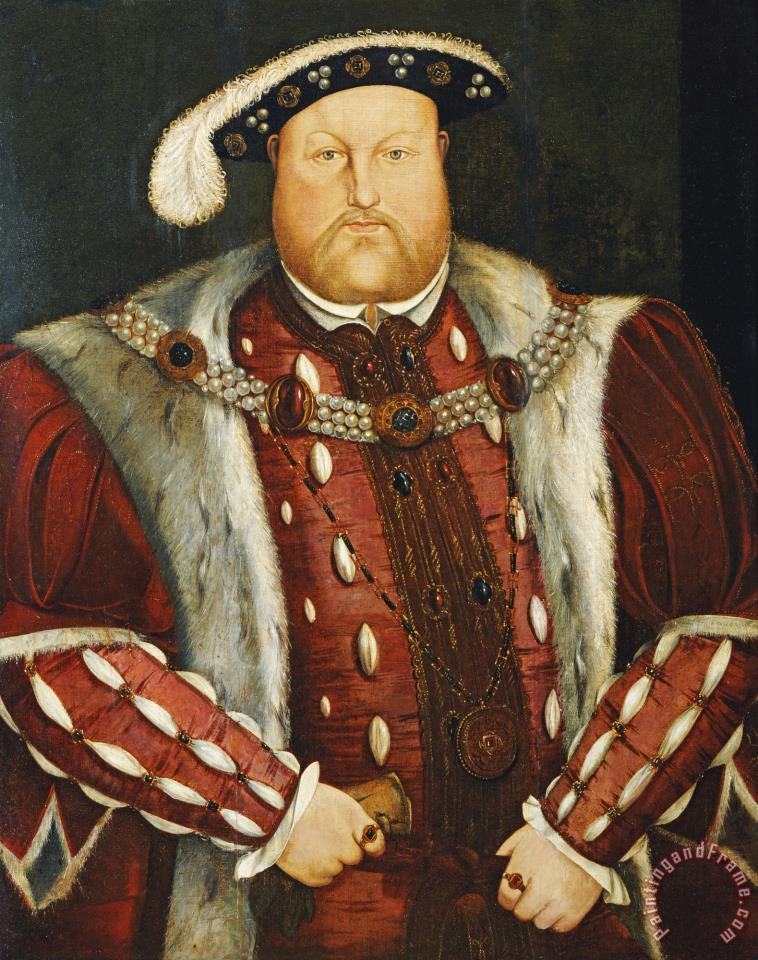
5. The Finishing Touches: Elevating the Portrait to Majesty
The final touches transform a painting into a masterpiece. This includes the framing, the background, and any additional elements that enhance the overall composition.
Framing: A gilded frame, adorned with intricate carvings, adds a touch of opulence and formality to the portrait. It also protects the artwork and enhances its visual impact.
Background: The background should complement the subject and evoke the king’s realm. It could be a grand hall, a lush landscape, or even a symbolic representation of his achievements.
Additional Elements: A tapestry, a heraldic banner, or even a symbolic animal can be incorporated to enhance the portrait’s meaning and add a sense of grandeur.
6. The Legacy: Preserving the Majesty for Generations
A king portrait is not just a work of art; it’s a legacy that transcends time. The artist’s role is to create a timeless masterpiece that will be cherished for generations to come.
Preservation: The artwork needs to be properly preserved to ensure its longevity. This includes storing it in a climate-controlled environment, using archival materials, and avoiding exposure to sunlight.
Documentation: The portrait should be documented with details about the subject, the artist, and the creation process. This documentation helps to preserve the history and significance of the artwork.
Conclusion
Creating a king portrait is a journey of artistry, research, and technical skill. It’s an opportunity to capture the essence of regal power, timeless elegance, and historical significance. By embracing the techniques, considerations, and nuances outlined in this guide, artists can create masterpieces that celebrate the majesty of kings and leave an enduring legacy.

Majestic Art: Creating a King Portrait Painting
Post a Comment for "Majestic Art: Creating A King Portrait Painting"