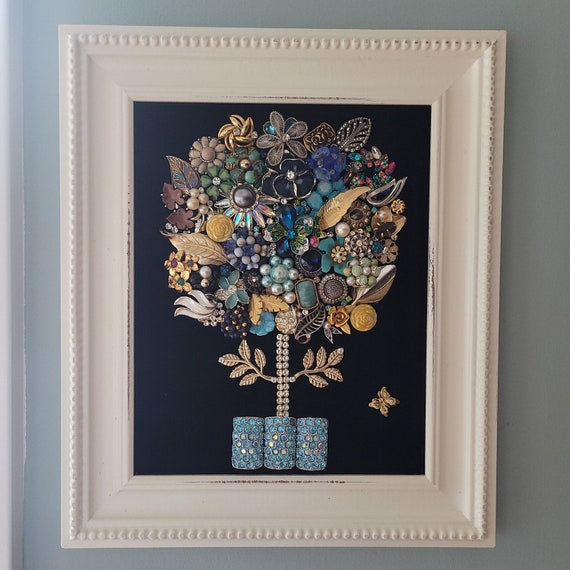
Elegant Art: Painting of Jewelry: An Exquisite Expression of Opulence and Finesse
Introduction
The art of painting jewelry has captivated the hearts and imaginations of art enthusiasts for centuries. This intricate and meticulous craft elevates the allure of precious stones and metals, transforming them into timeless masterpieces that adorn the bodies and souls of those who wear them. In this comprehensive guide, we delve into the captivating world of jewelry painting, exploring its history, techniques, and the remarkable artists who have mastered this exquisite art form.
Historical Origins and Evolution
The origins of jewelry painting can be traced back to ancient civilizations, where artisans adorned precious metals and gemstones with intricate designs. In ancient Egypt, for example, hieroglyphics and symbolic motifs were inscribed on gold and silver jewelry. During the Renaissance period, European goldsmiths developed enamel painting techniques, using vibrant colors to create elaborate and ornate designs.
Techniques of Jewelry Painting
Jewelry painting encompasses a diverse range of techniques, each with its own unique characteristics. Some of the most common methods include:
- Enameling: A process that involves fusing powdered glass to metal at high temperatures, creating a durable and vibrant finish.
- Miniature Painting: A highly detailed and precise technique that involves painting on a small scale, often using a brush made from a single hair.
- Watercolor Painting: A delicate and ethereal technique that utilizes water-soluble pigments to create soft and transparent effects.
- Oil Painting: A versatile technique that offers a wide range of textures and finishes, from smooth and glossy to thick and impasto.
Master Artists and Their Techniques
Throughout history, numerous renowned artists have dedicated their lives to the art of jewelry painting. Some of the most notable masters include:
- Jean Petitot (1607-1691): A Swiss-born artist known for his exquisite miniature portraits painted on enamel.
- Nicolas Hilliard (1547-1619): An English artist who specialized in miniature portraits painted on vellum.
- Carl Fabergé (1846-1920): A Russian jeweler who created elaborate and opulent jewelry pieces, often adorned with enamel painting.
- René Lalique (1860-1945): A French artist who pioneered the use of glass and enamel in jewelry design.
Applications and Significance
Jewelry painting finds application in a wide range of jewelry designs, from delicate pendants to elaborate tiaras. It adds an element of exclusivity and personalization to each piece, making it a cherished heirloom or a statement of individual style.
Conclusion
The art of painting jewelry is a testament to the enduring power of human creativity and the enduring allure of precious objects. Through the hands of skilled artisans, gemstones and metals are transformed into wearable works of art, capturing the essence of beauty, opulence, and personal expression. Whether adorning a royal crown or a simple pendant, jewelry painting continues to enchant and inspire, leaving an indelible mark on the world of art and fashion.
Post a Comment for "Elegant Art: Painting Of Jewelry"