Cost Breakdown: How Much Does It Cost to Paint a Pickleball Court?
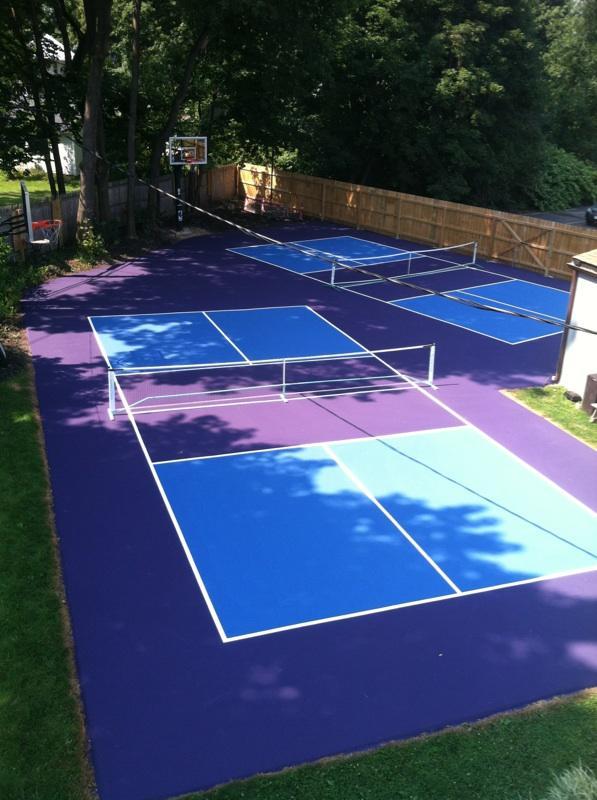
Building a pickleball court is a significant investment, and the cost of painting is a crucial factor to consider. This comprehensive guide will break down the cost of painting a pickleball court, covering materials, labor, and other relevant factors.
Understanding the Basics
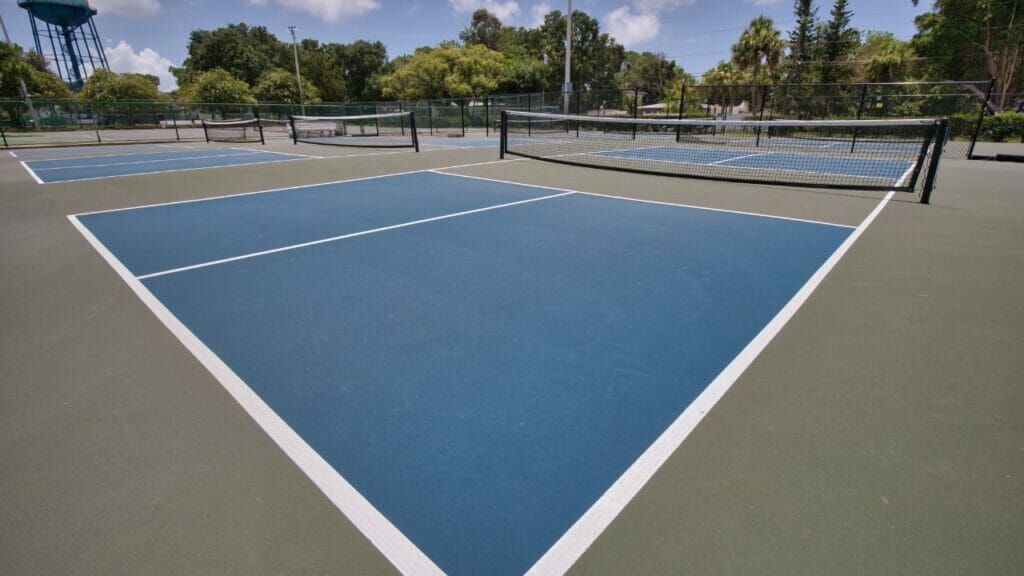
A standard pickleball court measures 44 feet long by 20 feet wide, with a non-volley zone (kitchen) extending 7 feet from the net on each side. The court surface is typically made of asphalt, concrete, or a specialized pickleball court surface like acrylic.
Cost Breakdown: Materials
The cost of painting materials depends on the type of paint, the size of the court, and the number of coats required. Here’s a breakdown:
- Paint:
- Acrylic Court Paint: This is the most common type of paint used for pickleball courts, offering excellent durability and color retention. Expect to pay between $25-$50 per gallon, depending on the brand and quality.
- Epoxy Court Paint: More durable than acrylic paint, epoxy paint is a good choice for high-traffic courts. Expect to pay between $50-$80 per gallon.
- Specialty Pickleball Court Paint: Some manufacturers offer specialized paints designed specifically for pickleball courts. These paints may offer additional features like slip resistance or enhanced visibility. Prices vary but are generally comparable to epoxy paint.
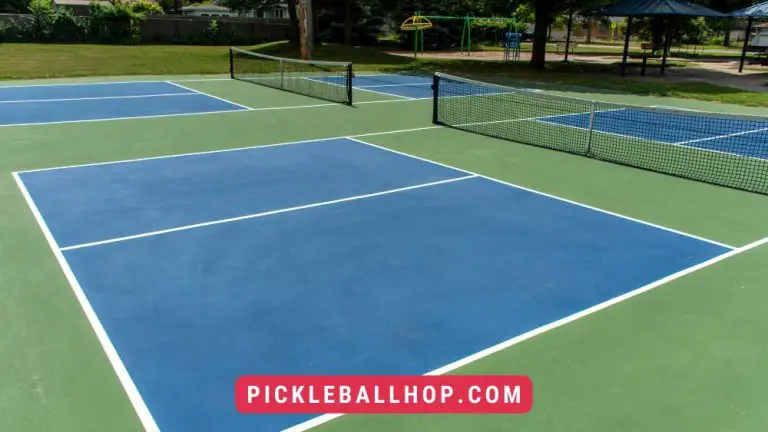
- Primer: A primer is essential for ensuring proper adhesion of the paint to the court surface. Expect to pay between $15-$30 per gallon.
- Tape: Masking tape is needed to create clean lines for the court markings. Expect to pay around $5-$10 per roll.
- Paint Thinner: Paint thinner is used to clean brushes and rollers. Expect to pay around $10-$20 per gallon.
Labor Costs
Labor costs for painting a pickleball court are highly variable and depend on several factors:
- Location: Labor costs vary significantly by region. Urban areas generally have higher labor costs than rural areas.
- Experience of the Painter: Experienced painters will command higher rates than less experienced painters.
- Complexity of the Job: Painting a court with intricate designs or special requirements may take longer and cost more.

Average Labor Costs:
- DIY: If you choose to paint the court yourself, you will save on labor costs. However, you will need to factor in the cost of renting or purchasing the necessary equipment, such as paint rollers, brushes, and ladders.
- Professional Painter: Hiring a professional painter can save you time and effort, but it will come at a cost. Expect to pay between $500-$1,500 for labor, depending on the factors mentioned above.
Other Costs
In addition to materials and labor, there may be other costs associated with painting a pickleball court:
- Surface Preparation: The court surface may need to be cleaned, repaired, or prepped before painting. This cost will vary depending on the condition of the surface.
- Equipment Rental: If you choose to paint the court yourself, you may need to rent equipment such as paint rollers, brushes, ladders, and scaffolding.
- Permits: Depending on your location, you may need to obtain permits to paint the court.
Total Cost Estimate
Based on the factors discussed above, here is a general estimate for the cost of painting a pickleball court:
| Item | Cost |
|---|---|
| Paint (2-3 gallons) | $100 – $200 |
| Primer (1 gallon) | $15 – $30 |
| Tape (2-3 rolls) | $10 – $20 |
| Paint Thinner (1 gallon) | $10 – $20 |
| Labor (DIY) | $0 – $200 (equipment rental) |
| Labor (Professional) | $500 – $1,500 |
| Surface Preparation | $100 – $500 |
| Permits | $0 – $100 |
Total: $725 – $2,350
Factors Affecting Cost
Several factors can influence the cost of painting a pickleball court, including:
- Court Size: Larger courts will require more paint and labor, increasing the overall cost.
- Surface Type: Painting an asphalt court may be less expensive than painting a concrete court, as asphalt is generally more porous and requires less paint.
- Number of Coats: More coats of paint will increase the cost of materials and labor.
- Complexity of Design: Intricate designs or special markings will require more time and skill, increasing labor costs.
Tips for Saving Money
- DIY: Painting the court yourself can significantly reduce labor costs.
- Buy Paint in Bulk: Purchasing paint in bulk can often result in discounts.
- Shop Around for Labor: Get quotes from multiple painters to compare prices.
- Prepare the Surface Yourself: Preparing the surface yourself can save on labor costs.
Conclusion
The cost of painting a pickleball court can vary significantly depending on several factors. By understanding the cost breakdown and considering the factors that can influence the price, you can make informed decisions and budget accordingly. Whether you choose to DIY or hire a professional, a well-painted pickleball court will provide years of enjoyment for players of all skill levels.
Additional Resources
- [Link to a reputable paint manufacturer’s website]
- [Link to a website that offers DIY painting tips]
- [Link to a website that provides information on pickleball court construction]
Disclaimer: This article provides general information and estimates. Actual costs may vary depending on your specific circumstances. It is always recommended to consult with local contractors and suppliers for accurate pricing.

Cost Breakdown: How Much Does It Cost to Paint a Pickleball Court?
Post a Comment for "Cost Breakdown: How Much Does It Cost To Paint A Pickleball Court?"