Airbrush Paint for Fishing Lures: A Detailed Guide

Table of Content
- 1 Airbrush Paint for Fishing Lures: A Detailed Guide
- 1.1 Understanding the Benefits of Airbrush Paint for Fishing Lures
- 1.2 Choosing the Right Airbrush Equipment
- 1.3 Mastering Airbrush Techniques for Fishing Lures
- 1.4 Advanced Airbrush Techniques for Fishing Lures
- 1.5 Tips for Success with Airbrush Paint for Fishing Lures
- 1.6 Frequently Asked Questions (FAQs)
- 1.7 Conclusion
Airbrushing has revolutionized the world of lure painting, allowing anglers to create stunningly realistic and highly effective fishing lures. This detailed guide will equip you with the knowledge and techniques to master airbrush painting for your fishing lures, from choosing the right equipment to mastering advanced techniques.
Understanding the Benefits of Airbrush Paint for Fishing Lures
Airbrush paint offers numerous advantages over traditional brush painting methods:
- Precision and Detail: Airbrushes deliver a fine mist of paint, allowing for intricate details, smooth gradients, and precise color transitions.
- Versatility: Airbrush paint comes in a wide range of colors, finishes, and formulations, enabling you to achieve realistic scales, patterns, and textures.
- Efficiency: Airbrushing significantly reduces painting time compared to traditional methods, especially for complex designs.
- Durability: Airbrush paints are formulated for durability and resistance to water, UV rays, and abrasion, ensuring your lures maintain their appearance and effectiveness.
Choosing the Right Airbrush Equipment
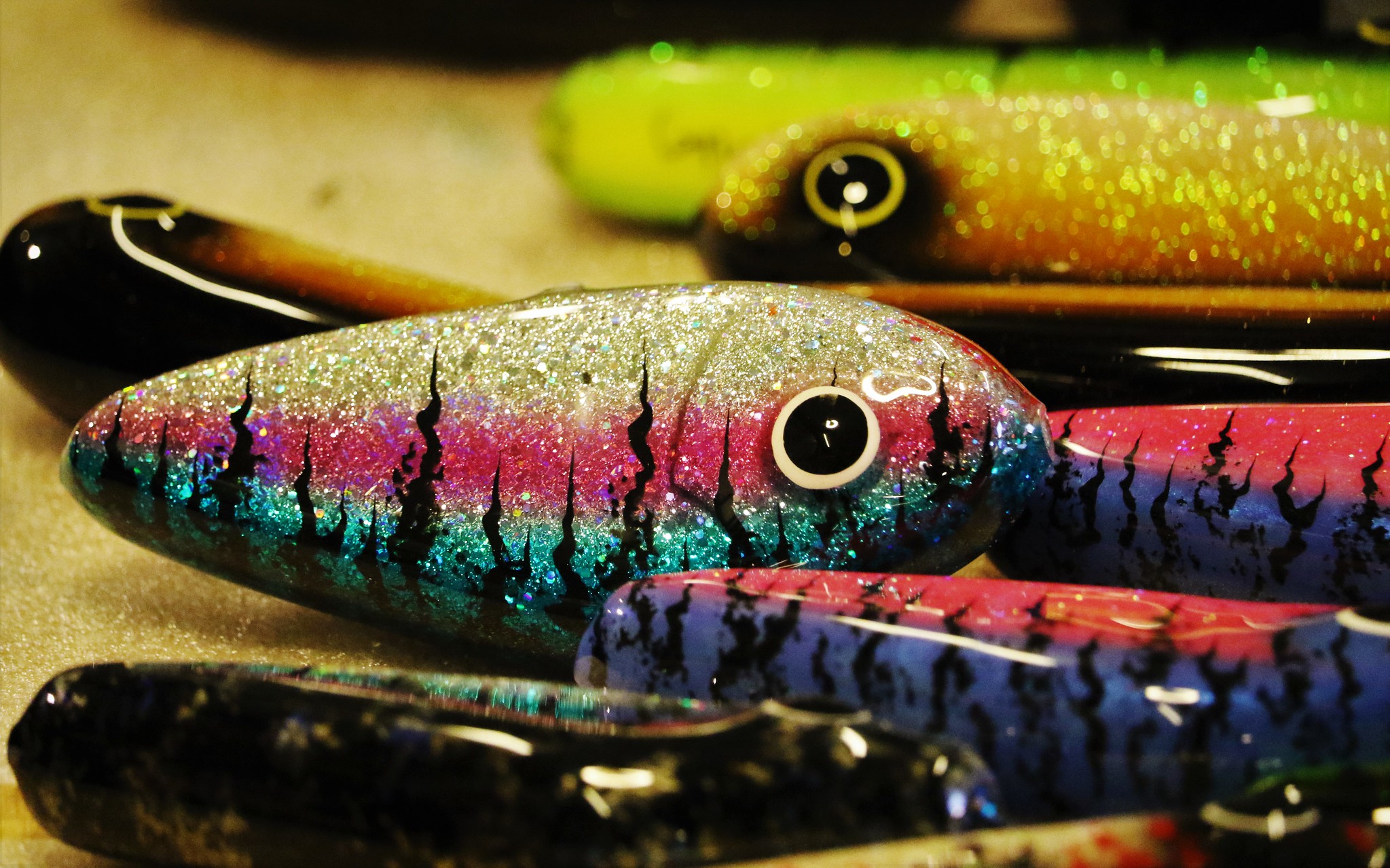
Before diving into the world of airbrushing, it’s crucial to select the right equipment. Here’s a breakdown of essential components:
1. Airbrush:
- Single-Action: These airbrushes offer basic control over paint flow, ideal for beginners and simple designs.
- Double-Action: These airbrushes provide independent control over both air and paint flow, offering greater precision and versatility.
- Gravity Feed: Paint is held in a cup above the airbrush, allowing for a consistent flow and minimizing paint spills.
- Side Feed: Paint is held in a reservoir attached to the side of the airbrush, offering greater maneuverability and control.

2. Compressor:
- Single-Stage: These compressors offer a consistent airflow at lower pressures, suitable for beginners and occasional use.
- Two-Stage: These compressors provide higher pressures and greater airflow, ideal for demanding projects and professional use.
- Oil-Free: These compressors are maintenance-free and produce clean air, protecting your airbrush from damage.
- Oil-Lubricated: These compressors offer more power and durability but require regular maintenance.

3. Airbrush Paint:
- Acrylic: Water-based acrylic paints are versatile, easy to clean, and offer a wide range of colors.
- Lacquer: Solvent-based lacquer paints offer superior durability and gloss, ideal for outdoor use.
- Urethane: These paints offer exceptional durability and resistance to abrasion, making them suitable for high-wear applications.
4. Airbrush Accessories:
- Paint Cups: Choose cups that match your airbrush type and offer sufficient capacity for your project.
- Cleaning Needles and Brushes: Regular cleaning is essential to maintain your airbrush’s performance.
- Masking Tape and Film: These tools help create precise lines and protect areas from paint.
- Airbrush Holder: A sturdy holder ensures your airbrush remains stable during use.
Mastering Airbrush Techniques for Fishing Lures
Once you have the right equipment, it’s time to master the art of airbrush painting. Here’s a step-by-step guide to creating stunning fishing lures:
1. Preparing the Lure:
- Clean and Sand: Thoroughly clean the lure with soap and water, removing any dirt, grease, or previous paint. Sand the surface lightly to create a smooth base for the paint.
- Prime: Apply a primer to the lure, ensuring even coverage and creating a smooth surface for the paint to adhere to.
- Mask: Use masking tape and film to protect areas you don’t want to paint, creating clean lines and precise patterns.
2. Applying Base Coat:
- Thin the Paint: Thin your paint with airbrush thinner to achieve the desired consistency.
- Apply in Thin Layers: Apply multiple thin coats of paint, allowing each layer to dry completely before applying the next. This ensures even coverage and prevents paint build-up.
- Control Air Pressure: Adjust the air pressure to achieve the desired paint flow and atomization.
3. Creating Realistic Patterns and Textures:
- Gradients: Use airbrush techniques to create smooth transitions between colors, mimicking natural scales or patterns.
- Scales: Create realistic scales by using a stencil or freehand technique, applying layers of paint to achieve depth and dimension.
- Textures: Experiment with different paint techniques to create textures, such as rough scales, gills, or fins.
4. Adding Details:
- Eyes: Use a fine-tipped airbrush or a detail brush to create realistic eyes.
- Mouth: Apply a thin line of paint to define the mouth, adding realism and attracting fish.
- Gills: Create realistic gills using a combination of airbrush techniques and fine-tipped brushes.
5. Sealing and Finishing:
- Clear Coat: Apply a clear coat over the finished lure to protect the paint and enhance durability.
- UV Protection: Choose a clear coat with UV protection to prevent fading and maintain the lure’s appearance.
- Gloss or Matte Finish: Select a clear coat that provides the desired finish, either a glossy or matte look.
Advanced Airbrush Techniques for Fishing Lures
For those looking to elevate their airbrush skills, here are some advanced techniques to explore:
- Multi-Color Gradients: Achieve complex color transitions by blending multiple colors smoothly.
- Freehand Painting: Master the art of creating intricate patterns and textures without stencils.
- Dry Brushing: Apply a dry brush technique to create subtle highlights and textures.
- Stippling: Use a stippling technique to create a textured, almost pixelated effect.
- Airbrush Stenciling: Utilize stencils to create precise patterns, scales, and details.
Tips for Success with Airbrush Paint for Fishing Lures
- Practice Makes Perfect: Practice your airbrush techniques on scrap surfaces before applying them to your lures.
- Clean Regularly: Clean your airbrush and compressor after each use to prevent paint build-up and maintain performance.
- Experiment with Colors and Techniques: Don’t be afraid to experiment with different colors, finishes, and techniques to find what works best for you.
- Observe Nature: Study the patterns and textures of real fish to inspire your lure designs.
- Use Reference Images: Use reference images of fish to ensure accuracy and realism in your designs.
Frequently Asked Questions (FAQs)
1. What is the best airbrush for painting fishing lures?
The best airbrush depends on your experience level and budget. Beginners may start with a single-action gravity feed airbrush, while experienced painters may prefer a double-action side feed airbrush.
2. What type of paint is best for airbrushing fishing lures?
Acrylic paints are a versatile and beginner-friendly option. Lacquer paints offer superior durability and gloss, while urethane paints provide exceptional resistance to abrasion.
3. How do I thin airbrush paint for fishing lures?
The amount of thinner needed depends on the paint type and desired consistency. Start with a small amount of thinner and gradually add more until you achieve the desired flow.
4. How do I clean my airbrush after painting?
Clean your airbrush immediately after use with airbrush cleaner and a cleaning brush. Disassemble the airbrush and thoroughly clean all parts.
5. Where can I find airbrush paint for fishing lures?
Airbrush paint is available at hobby stores, art supply stores, and online retailers. Look for paints specifically designed for plastics and durable finishes.
Conclusion
Airbrush painting offers an exciting and rewarding way to create stunning and effective fishing lures. By understanding the benefits, choosing the right equipment, mastering the techniques, and practicing regularly, you can elevate your lure painting skills and create lures that attract more fish. Remember, the key is to experiment, observe nature, and never stop learning.

Airbrush Paint for Fishing Lures: A Detailed Guide
Post a Comment for "Airbrush Paint For Fishing Lures: A Detailed Guide"