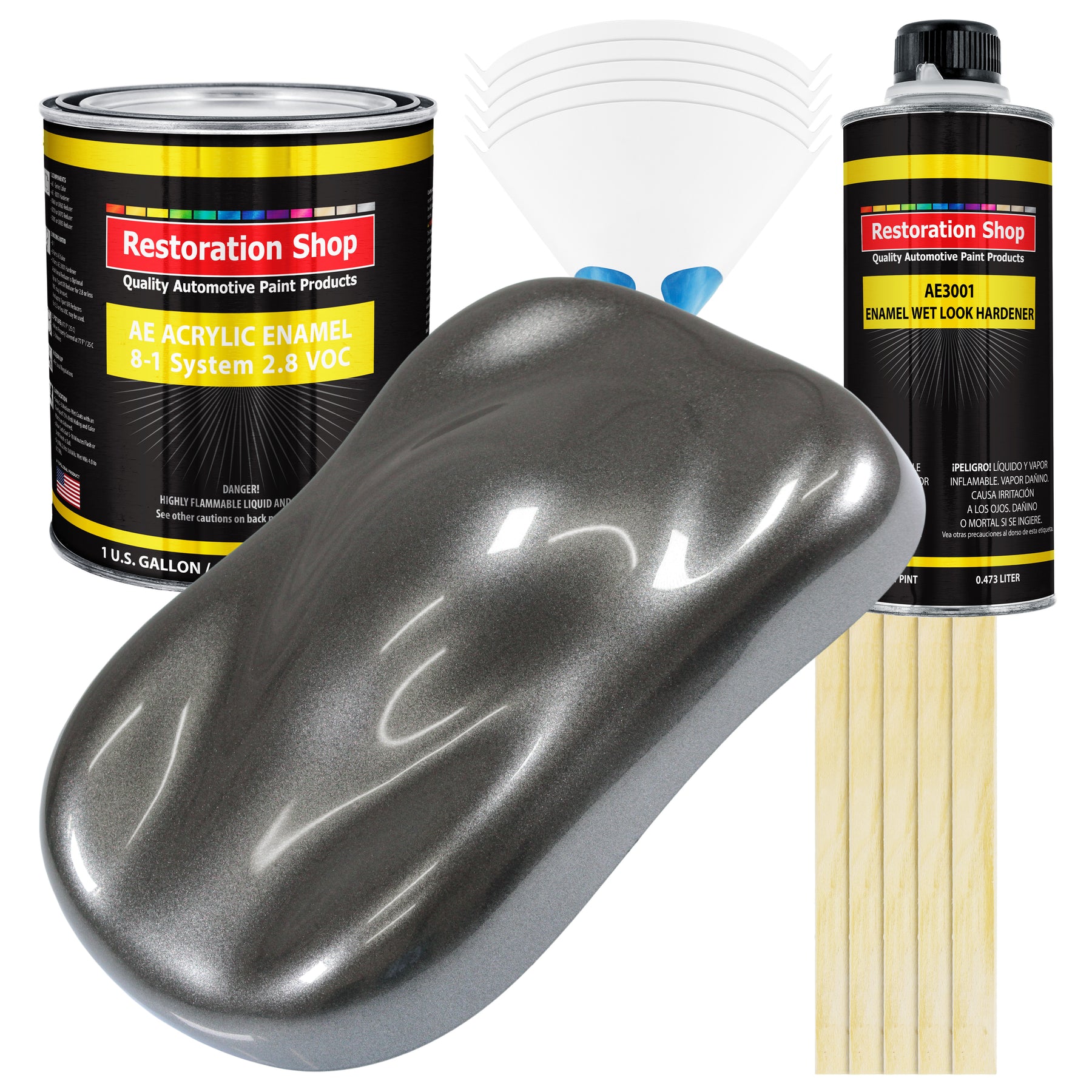
Mixing Perfection: Unleashing the Power of Enamel Paint Reducer
Introduction
Achieving a flawless finish with enamel paint requires meticulous preparation and the judicious use of enamel paint reducer. This indispensable tool holds the key to unlocking the paint’s full potential, ensuring a smooth, even application that enhances both aesthetics and durability.
Understanding Enamel Paint Reducer
Enamel paint reducer is a solvent specifically formulated to thin enamel paints, making them easier to apply and enhancing their flow characteristics. It plays a crucial role in:
- Adjusting Viscosity: Enamel paints are typically thick and viscous, making them difficult to apply evenly. Reducer dilutes the paint, reducing its viscosity and allowing it to flow more smoothly.
- Improving Coverage: A properly thinned enamel paint spreads more evenly, providing better coverage with fewer brushstrokes. This reduces the risk of streaks or unevenness.
- Enhancing Gloss: Enamel paint reducer helps to bring out the paint’s natural gloss, resulting in a more vibrant and lustrous finish.
Choosing the Right Enamel Paint Reducer
Selecting the appropriate enamel paint reducer is essential for optimal results. Different types of reducers are available, each with its own unique properties:
- Slow Reducer: Evaporates slowly, allowing ample time for application and blending. Ideal for large surfaces or complex projects.
- Medium Reducer: Evaporates at a moderate rate, providing a good balance between workability and drying time. Suitable for most general-purpose applications.
- Fast Reducer: Evaporates quickly, speeding up the drying process. Best suited for small touch-ups or areas requiring a rapid finish.
Determining the Ideal Dilution Ratio
The ideal dilution ratio for enamel paint reducer varies depending on the specific paint used and the desired finish. As a general guideline:
- For brushing: Dilute the paint by 10-20% with reducer.
- For spraying: Dilute the paint by 20-30% with reducer.
- For rolling: Dilute the paint by 5-10% with reducer.
Mixing Enamel Paint with Reducer
Follow these steps to properly mix enamel paint with reducer:
- Choose the appropriate reducer: Determine the type of reducer and dilution ratio based on the paint and application method.
- Measure the paint: Pour the desired amount of paint into a clean mixing container.
- Gradually add reducer: Slowly add the reducer to the paint while stirring constantly.
- Mix thoroughly: Use a paint stirrer or brush to mix the paint and reducer until they are completely blended and uniform in consistency.
Tips for Using Enamel Paint Reducer
- Test the mixture: Apply a small amount of the thinned paint to an inconspicuous area to ensure proper consistency and drying time.
- Use a clean container: Always use a clean mixing container to prevent contamination.
- Stir regularly: Stir the paint mixture frequently during application to maintain a uniform consistency.
- Apply thin coats: Apply multiple thin coats rather than one thick coat to achieve a smooth, durable finish.
- Allow ample drying time: Follow the manufacturer’s recommended drying times between coats to ensure proper adhesion and curing.
Conclusion
Enamel paint reducer is an essential tool for achieving a professional-quality finish with enamel paints. By understanding its properties, choosing the right type, and mixing it properly, you can unlock the full potential of your paint and create a flawless, long-lasting result.
Post a Comment for "Mixing Perfection: Using Enamel Paint Reducer"