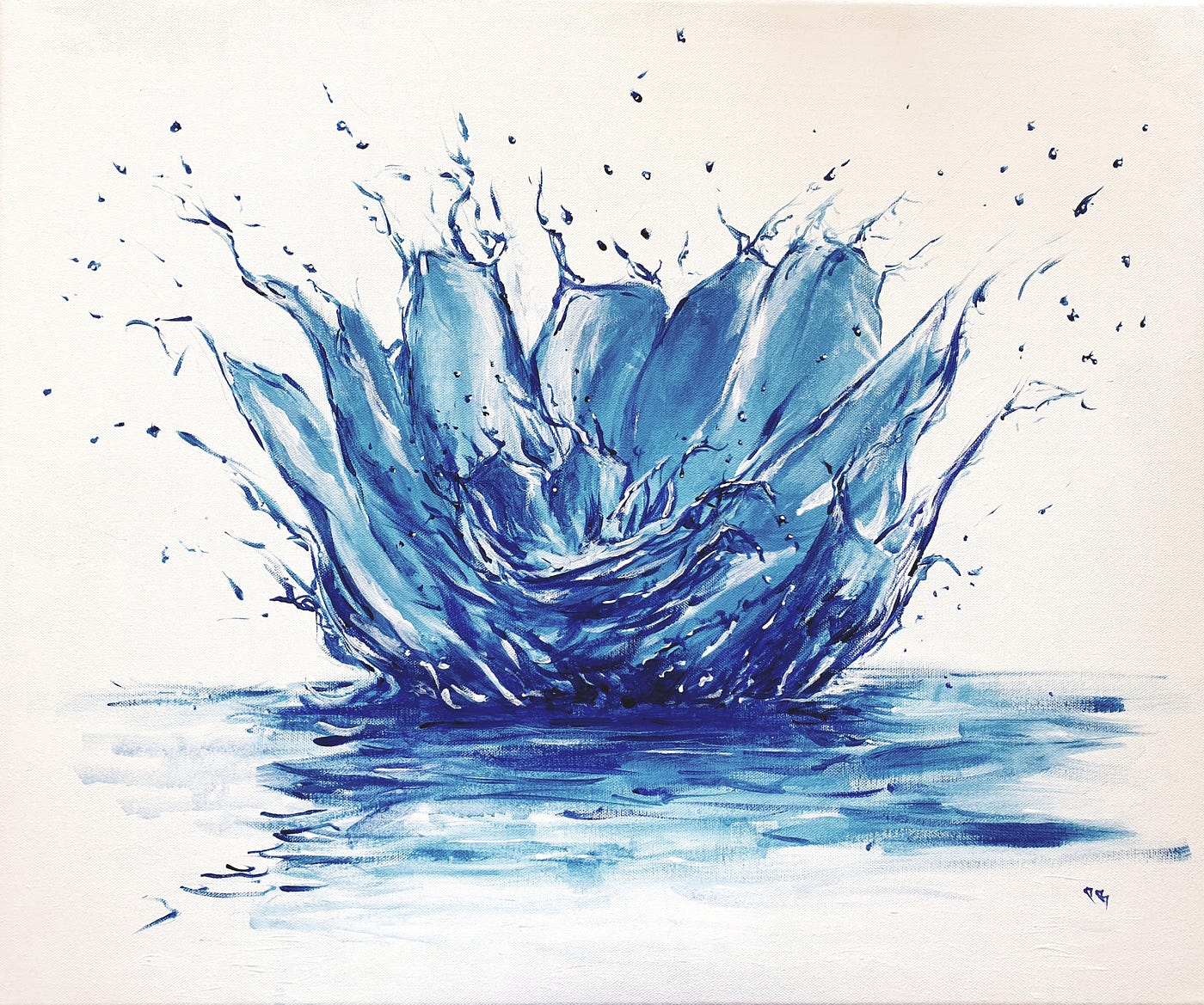
The Art of Letting Go: Exploring Emotional Paintings
Introduction
The human experience is a tapestry woven with countless emotions, each thread adding depth and complexity to the fabric of our being. Art has long been a conduit for expressing these emotions, allowing us to delve into the depths of our own hearts and connect with the universal language of the soul. In the realm of painting, the art of letting go takes center stage, inviting us to explore the transformative power of release and surrender.
The Emotional Canvas
Paintings are not mere representations of the physical world; they are windows into the artist’s inner sanctum, where emotions dance and dreams take flight. Through the brushstrokes and colors, artists capture the essence of human experience, translating intangible feelings into tangible forms. In emotional paintings, the canvas becomes a mirror, reflecting the complexities of our own emotions and inviting us to embark on a journey of self-discovery.
The Power of Release
Letting go is not an act of weakness or resignation; it is a courageous choice that empowers us to break free from the shackles of the past and embrace the possibilities of the present. In art, the act of letting go often manifests as a release of control, allowing the artist to surrender to the flow of inspiration and intuition. By relinquishing the need for perfection or predetermined outcomes, artists open themselves up to the unexpected, creating works that are both deeply personal and universally resonant.
Surrendering to the Flow
The process of letting go in painting is not always easy. It requires a willingness to trust the unknown and to allow the painting to evolve organically. Artists who embrace this approach often find themselves in a state of flow, where time seems to dissolve and the act of creation becomes effortless. In these moments, the painting takes on a life of its own, guiding the artist’s hand and revealing hidden depths of emotion.
The Transformative Journey
Letting go in art is not merely a technical exercise; it is a transformative journey that extends beyond the canvas. As artists release their grip on control, they also release the emotional burdens that have weighed them down. Through the act of painting, they confront their fears, embrace their vulnerabilities, and ultimately discover a deeper sense of authenticity and freedom.
Emotional Expression in Color and Form
The colors and forms used in emotional paintings play a pivotal role in conveying the artist’s inner world. Bold, vibrant hues evoke feelings of passion and intensity, while soft, muted tones create a sense of tranquility and introspection. Abstract shapes and gestural brushstrokes capture the fluidity of emotions, while figurative elements provide a tangible connection to the human experience.
The Healing Power of Art
Emotional paintings have the power to heal and inspire. By witnessing the raw emotions expressed on canvas, viewers can connect with their own feelings and find solace in knowing that they are not alone. The act of viewing emotional art can also provide a cathartic release, allowing pent-up emotions to find expression and release.
Masterpieces of Emotional Expression
Throughout history, countless artists have explored the art of letting go in their paintings, creating masterpieces that continue to resonate with audiences today. From the expressive brushstrokes of Vincent van Gogh to the abstract canvases of Jackson Pollock, these works invite us to delve into the depths of human emotion and experience the transformative power of release.
Conclusion
The art of letting go in painting is a profound exploration of the human condition. By surrendering to the flow of inspiration and releasing the need for control, artists create works that capture the essence of our emotions and connect us to the universal language of the soul. Through emotional paintings, we are invited to embark on a transformative journey of self-discovery, healing, and liberation.
Post a Comment for "Art Of Letting Go: Exploring Emotional Paintings"